
Author: Irina Nedelcu, Co-owner and Chief Operating Officer of Nutriland, specialist in food management and safety
Updated: October 25, 2026
In short: Zinc is an essential mineral involved in the activity of numerous enzymes. The requirement established by EFSA depends on the intake of phytates from the diet and is 9.4-16.3 mg per day for men and 7.5-12.7 mg for women. The upper limit for adults is 25 mg per day.
What is zinc?
The body does not have a large reserve of zinc, so it must be constantly obtained from the diet. Good sources are red meat, seafood (especially oysters), eggs, dairy products, legumes, pumpkin seeds, and whole grains. Phytates in grains and legumes reduce zinc absorption.
In what products can you find zinc?
Zinc appears in plain tablets and capsules, in ZMA formulas with magnesium and vitamin B6, in multivitamins, and in immunity products, along with vitamins C and D.
What doses are usually used?
EFSA established the reference intake based on the phytates in the diet: 9.4-16.3 mg of zinc per day for men and 7.5-12.7 mg for women, with higher values at a high intake of phytates (EFSA, 2014). The tolerable upper intake level for adults is 25 mg per day, from all sources (EFSA, 2006). A high and prolonged intake of zinc can reduce copper absorption.
What forms are available?
The most common forms are zinc bisglycinate, picolinate, citrate, gluconate, sulfate, and oxide. As with magnesium, the amount of elemental zinc per dose matters, stated on the label in mg and as a percentage of the reference value.
What can the label say?
Products with a significant amount of zinc may use claims such as: “Zinc contributes to the normal functioning of the immune system,” “Zinc contributes to the normal synthesis of proteins,” “Zinc contributes to the maintenance of normal testosterone levels in the blood,” “Zinc contributes to the maintenance of normal skin health,” and “Zinc contributes to the maintenance of normal bone health.”
Zinc products at Nutriland
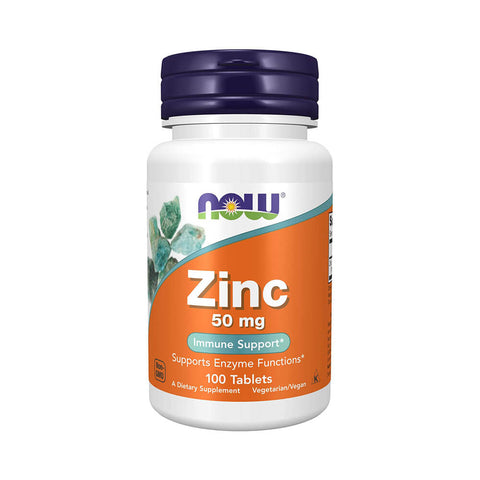
- Zinc 90 tablets, Muscle Care
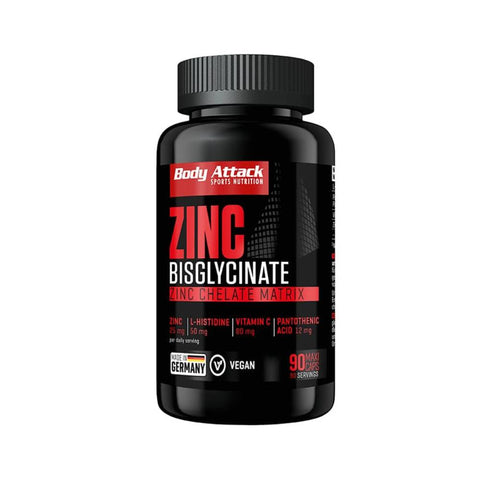
- Zinc bisglycinate 90 capsules, Body Attack
- Zinc bisglycinate 120 capsules, Inlead
- ZMV-B6 60 tablets, Muscle Care (zinc, magnesium, vitamin B6)
The updated price and availability are displayed on each product page.
Read more
- Zinc: from what foods do you get it
- Minerals Collection
- Dictionary: Magnesium
- Dictionary: Vitamin C
- Nutriland Ingredient Dictionary, from A to Z
Note: a varied and balanced diet and a healthy lifestyle matter. Follow the quantity and method of consumption on the product label and do not exceed the recommended daily dose. The products are not intended for children, pregnant or breastfeeding women; if you have a medical condition, consult your doctor before use.
Sources
- EFSA NDA Panel. Scientific Opinion on Dietary Reference Values for zinc. EFSA Journal, 2014;12(10):3844. doi.org/10.2903/j.efsa.2014.3844
- EFSA. Tolerable Upper Intake Levels for Vitamins and Minerals. Scientific Committee on Food, Scientific Panel on Dietetic Products, Nutrition and Allergies, 2006. www.efsa.europa.eu/sites/default/files/efsa_rep/blobserver_assets/ndatolerableuil.pdf