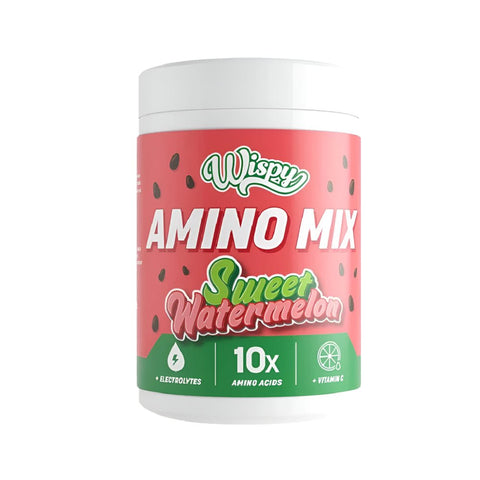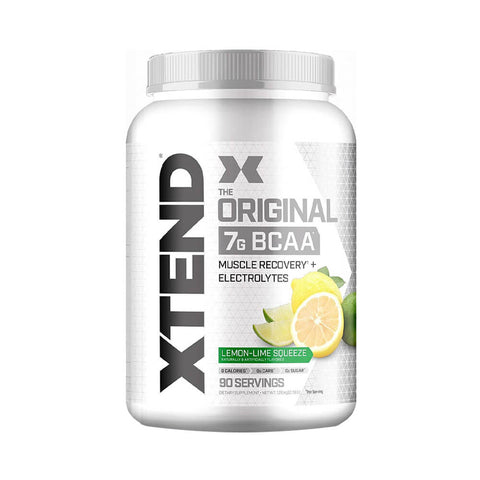

Your body functions like a finely tuned mechanism, with each mineral playing an essential role. Electrolytes are those “electrical micronutrients” that maintain balance, energy, and proper communication between cells, helping you feel fit and full of vitality.
Whether you're running, working long hours at the office, or simply need more clarity and energy, electrolyte balance is key to your body's optimal functioning. In this chapter, you'll discover why they're so important and how you can take care of your natural energy levels.
Summary:
-
Electrolytes support the body's vital functions - they regulate hydration, nerve impulse transmission and muscle contraction.
-
Electrolyte balance is maintained through a natural and varied diet - fruits, vegetables and coconut water provide essential minerals for energy and vitality.
-
For athletes, electrolytes are the engine of performance and recovery - correctly replacing losses through sweat supports endurance and body recovery.
Contents:
-
What are electrolytes and why are they essential for your body?
-
Electrolytes for athletes and active people - what you need to know
What are electrolytes and why are they essential for your body?
Electrolytes are minerals with a positive or negative electrical charge, present in body fluids - blood, sweat and urine. When dissolved in water, they allow the transmission of electrical impulses between cells, being indispensable for the proper functioning of the body.
The main electrolytes and their roles
-
Sodium (Na): Regulates the volume of fluids in the body and helps maintain blood pressure within normal limits.
-
Potassium (K): Supports the proper functioning of the heart, muscles, and nervous system.
-
Calcium (Ca): Essential for bone health, participates in muscle contraction and blood clotting.
-
Magnesium (Mg): Involved in hundreds of enzymatic reactions, it plays an important role in energy production and protein synthesis.
-
Chlorine (Cl): Maintains acid-base balance and contributes to the formation of gastric juice.
-
Phosphorus (P): Participates in the formation of bones and teeth, as well as in the production of cellular energy.
How do electrolytes work in the body?
The human body functions like a complex electrical system. Electrolytes ensure the transmission of nerve signals, the coordination of muscle contractions (including the heart), and the water balance of cells.
Maintaining electrolyte balance
Electrolyte balance is constantly regulated by the collaboration of the kidneys, the hormonal system, and the nervous system. These mechanisms control how much water and minerals are retained or excreted, ensuring that each cell receives exactly what it needs to function optimally.
Natural Electrolytes - Food Sources You Have at Hand
Electrolytes aren't just found in supplements or sports drinks - you can easily get them from natural foods. A balanced diet, rich in fruits, vegetables and whole grains, helps you maintain optimal levels of essential minerals for energy, hydration and muscle health.

Electrolyte power sources, by category
Sources of potassium
-
Bananas: A well-known and accessible source of potassium.
-
Avocado: Rich in potassium and healthy fats.
-
Sweet potatoes: They contain significant amounts of potassium.
-
Spinach: Green leafy vegetable rich in minerals.
-
White beans: Excellent vegetable source of potassium.
Natural sources of sodium
-
Seaweed: High natural sodium content.
-
Celery: Vegetable with natural sodium content.
-
Beetroot: Natural source of sodium and other minerals.
Sources of calcium
-
Dairy products: Traditional source of calcium.
-
Green leafy vegetables: Calcium-rich vegetable alternatives.
-
Almonds: Nuts rich in calcium.
-
Sardines: Fish rich in calcium.
Other natural sources of electrolytes
-
Coconut water: Rich in potassium and magnesium, with a low sodium content.
-
Fermented vegetables (sauerkraut, kimchi): They contain electrolytes and probiotics beneficial for digestion.
-
Citrus fruits, watermelon and tomatoes: Hydrating and rich in potassium.
By consuming these foods regularly, you can maintain your body's electrolyte balance naturally, without relying exclusively on supplements.
How to prepare electrolyte water at home
You can make a simple and natural drink for daily hydration:
-
Add a pinch of sea salt to a glass of water.
-
Add a slice of lemon - a natural source of potassium and vitamin C.
-
Mix well until the salt dissolves.
This combination provides sodium, potassium and other essential minerals.
Lack of electrolytes - how to recognize the symptoms early
An electrolyte imbalance occurs when levels of minerals like sodium, potassium, calcium, or magnesium become too low or too high. This imbalance can affect nerve and muscle function and the body's hydration.
Common physical symptoms
-
Fatigue and weakness: Persistent feeling of exhaustion and lack of energy, even after rest.
-
Muscle cramps: Spasms that can occur spontaneously, especially at night or after heavy sweating.
-
Dizziness: Difficulty concentrating and feeling unsteady, possible signs of a sodium or potassium imbalance.
-
Palpitations: Rapid or irregular heartbeats may indicate problems with potassium or magnesium levels.
Digestive and urinary symptoms
-
Digestive disorders: Nausea, vomiting or constipation - can be both causes and effects of electrolyte imbalance.
-
Urinary changes: Frequent urination or, conversely, fluid retention can signal disturbances in the sodium levels in the body.
What can you do?
If you notice these symptoms, it is important to consult a doctor and evaluate your diet and lifestyle. Early identification of signs of an imbalance helps you prevent complications and restore the body's mineral balance.
Electrolytes for athletes and active people - what you need to know
Active people and athletes need to pay special attention to electrolyte balance. During intense physical activity, the body loses important minerals through sweat - especially sodium, potassium and magnesium. These losses can affect performance, recovery and even safety during exercise.

The most important electrolytes for sports performance
-
Sodium: Helps maintain blood volume and prevent hyponatremia, a condition that occurs when too much water is consumed without replacing lost sodium.
-
Potassium: Supports muscle function, helps transmit nerve impulses, and prevents cramps.
-
Magnesium: Contributes to energy production and muscle recovery after exercise.
-
Calcium: Essential for proper muscle contraction and bone health.
Types of electrolyte products
There is a wide range of products that help replenish mineral reserves and maintain optimal hydration. Choosing the right form depends on your lifestyle, intensity of effort and personal preferences.
-
Effervescent tablets and lozenges: They are easy to administer, dissolve quickly in water and ensure efficient absorption of minerals.
-
Powdered or powdered electrolytes: They allow you to create personalized mixtures, depending on your needs and training conditions.
-
Individual electrolyte sachets: Practical and hygienic solution, ideal for travel or on-the-go use.
-
Electrolyte drinks: Available in sugar-free or sugar-free versions, they provide quick and convenient hydration during physical activity.
-
Concentrated solutions and water vials: Ensure immediate restoration of mineral reserves after intense exercise.
Regardless of the form chosen, these electrolyte products contribute to maintaining optimal levels of hydration, energy, and performance.
The benefits of proper electrolyte replenishment
-
Maintaining performance: Supports energy and endurance during physical exertion.
-
Reduces the risk of cramps: Prevents painful muscle spasms.
-
Improving recovery: Helps with muscle recovery after strenuous workouts.
-
Preventing fatigue: Maintains energy levels and mental clarity during exercise.
It is important to start replenishing electrolytes before you feel thirsty or tired, as these signs can already indicate insufficient hydration. Adjust your electrolyte intake based on the type of activity, duration of exertion, and weather conditions.
In the case of intense exertion or profuse sweating, it may be useful to monitor electrolyte levels through periodic tests.
Electrolyte tests - when and how to monitor your levels
Electrolyte tests are blood tests that measure the levels of sodium, potassium, calcium, magnesium, and chloride in the body. These minerals play essential roles in maintaining fluid balance, heart rate, and muscle function. Monitoring them helps detect imbalances early and prevent complications.
When are electrolyte tests necessary?
Checking electrolyte levels is recommended in certain situations or for certain categories of people:
-
Specific symptoms: The appearance of muscle weakness, cramps, palpitations, dizziness or confusion may indicate an electrolyte imbalance.
-
Medical conditions: People with diabetes, kidney disease, high blood pressure, or hormonal disorders should monitor their levels periodically.
-
Performance athletes: Intense physical exertion and heavy sweating can lead to significant mineral losses, so monitoring electrolytes helps maintain proper hydration and optimal performance.
How is the analysis performed?
Electrolyte analysis is done simply by taking a blood sample, usually in the morning, on an empty stomach.
After interpreting the results, the doctor may recommend dietary adjustments, specific supplements, or personalized treatment, depending on the cause of the imbalance.
In conclusion, to maintain optimal electrolyte balance, combine natural foods rich in minerals with supplements that suit your lifestyle. Pay attention to your body's signals, notice any symptoms of imbalance, and consult a specialist when necessary for a personalized approach.
Understanding the role of electrolytes is essential for both overall health and physical performance. By choosing natural sources of minerals, supplemented when needed with specific supplements, you can support hydration, energy, and proper body function.
Whether you are an athlete or just want more vitality, an individualized strategy, adapted to your lifestyle, makes the difference. Periodic analyses and correct dietary adjustments will help you prevent imbalances and maintain an optimal level of health.
Proper electrolyte management is an investment in your well-being, performance, and long-term health.
References:
-
Shirreffs, SM, & Sawka, MN (2011). Fluid and electrolyte needs for training, competition, and recovery. Journal of Sports Sciences, 29(S1), S39-S38.
-
Shrimanker, I., & Bhattarai, S. (2023). Electrolytes. In StatPearls [Internet]. Treasure Island (FL): StatPearls Publishing.
-
Medical News Today. (2024). What are electrolytes and what do they do?
Photo source: Freepik.com.