
Author: Irina Nedelcu, Co-owner and Chief Operating Officer of Nutriland, food management and safety specialist
Updated: November 13, 2026
In short: Caffeine is a natural stimulant found in coffee, tea, guarana, and cocoa. For healthy adults, the EFSA considers that single doses of up to 200 mg and a daily intake of up to 400 mg from all sources do not raise safety concerns. In sports studies, doses of 3–6 mg per kilogram of body weight have been used.
What is caffeine?
Caffeine is an alkaloid in the methylxanthine group. It is rapidly absorbed, generally reaches its peak concentration in the blood within one hour, and is gradually eliminated over several hours, with significant differences between individuals (Guest et al., 2021).
What products contain caffeine?
You can find it in caffeine anhydrous tablets and capsules, guarana, pre-workout formulas, energy shots and drinks, some running gels, and, of course, coffee: a 200 ml cup of filtered coffee contains around 90 mg of caffeine (EFSA, 2015).
What doses are usually used?
The ISSN position on caffeine and exercise performance describes doses of 3–6 mg per kilogram of body weight, usually consumed approximately 60 minutes before exercise (Guest et al., 2021). The EFSA states that single doses of up to 200 mg—approximately 3 mg/kg for a 70 kg adult—and a daily intake of up to 400 mg from all sources do not raise safety concerns for healthy adults (EFSA, 2015). At 70 kg, 6 mg/kg equals 420 mg, which exceeds the EFSA threshold for a single dose; therefore, start with the amount on the label and add coffee, drinks, and pre-workout.
What forms are available?
Caffeine anhydrous is the dry, concentrated form found in tablets and pre-workout products. Caffeine citrate contains approximately half caffeine. Guarana and green tea extract provide caffeine from plants, while some products use slow-release forms or combinations with L-theanine. Look for the amount of caffeine in mg per serving on the label.
What can the label say?
Caffeine does not have an approved health claim in the European Union, so the label cannot promise concentration, energy, fat burning, or performance due to caffeine. Products with a high caffeine content must carry a warning for children and pregnant or breastfeeding women, along with the amount of caffeine.
Caffeine products at Nutriland
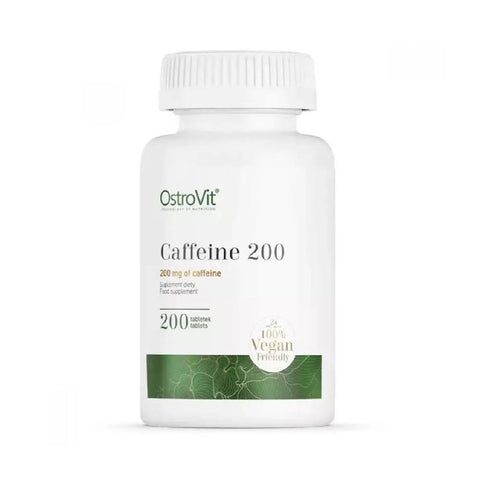
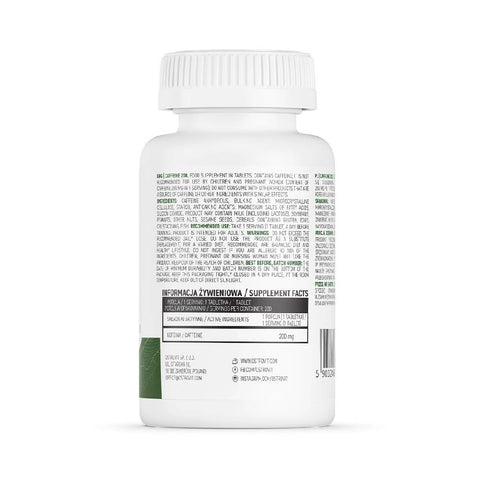
- Caffeine 200 mg, 200 tablets, Ostrovit
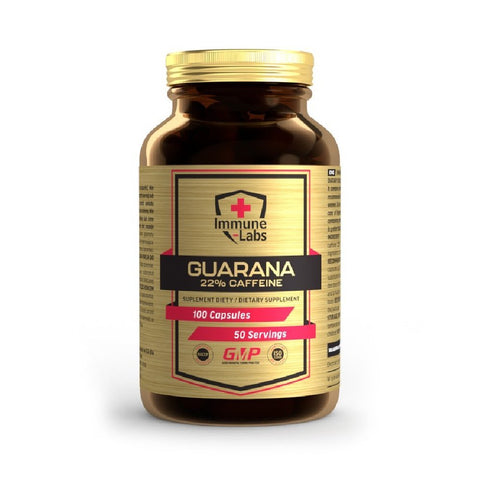
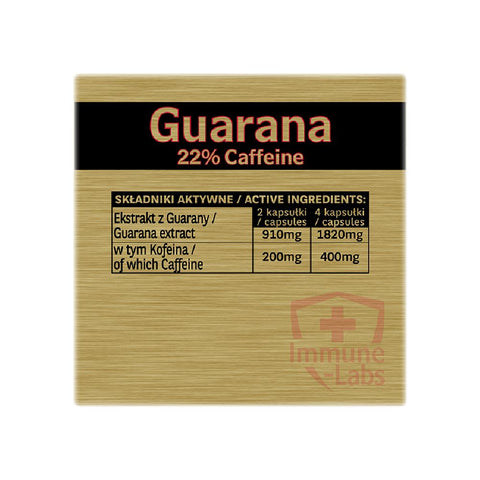
- Guarana 100 capsules, Immune Labs
- PreLIFT 420 g, Rule One (pre-workout with caffeine)
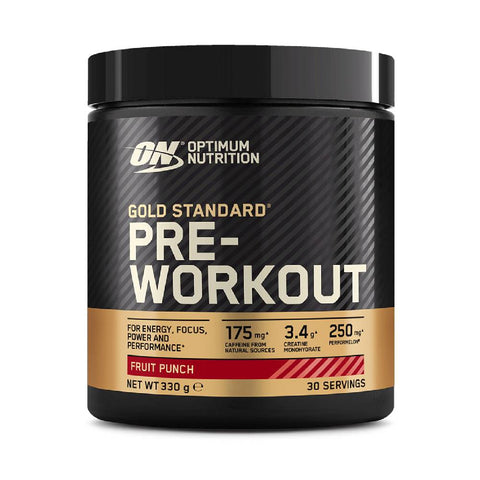
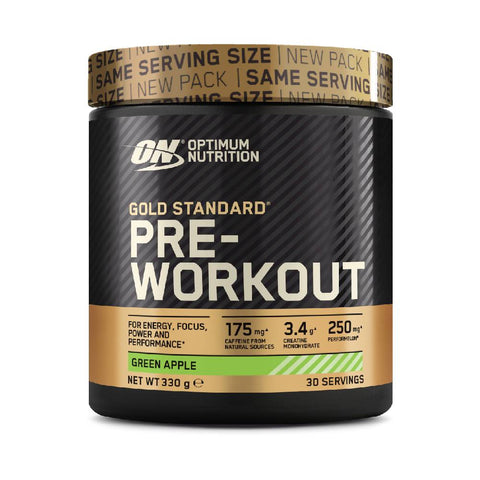
- Gold Standard Pre-Workout 330 g, Optimum Nutrition
Updated prices and availability are displayed on each product page.
Read more
- Caffeine in pre- and post-workout supplements
- Pre-workout collection
- Dictionary: Beta-alanine
- Nutriland ingredient dictionary
Note: A varied and balanced diet and a healthy lifestyle are important. Follow the quantity and method of consumption on the product label and do not exceed the recommended daily dose. The products are not intended for children, pregnant or breastfeeding women; if you have a medical condition, consult your doctor before use.
Sources
- Guest NS et al. International Society of Sports Nutrition position stand: caffeine and exercise performance. Journal of the International Society of Sports Nutrition, 2021. pubmed.ncbi.nlm.nih.gov/33388079/
- EFSA NDA Panel. Scientific Opinion on the safety of caffeine. EFSA Journal, 2015;13(5):4102. doi.org/10.2903/j.efsa.2015.4102