
Author: Irina Nedelcu, Co-owner and Chief Operating Officer at Nutriland, specialist in food management and safety
Updated: October 25, 2026
In short: Magnesium is a mineral involved in hundreds of reactions in the body. EFSA has established an adequate intake of 350 mg per day for men and 300 mg for women, from all sources. For magnesium from supplements, the upper limit is 250 mg per day.
What is magnesium?
Approximately 60% of the magnesium in the body is found in the bones, with the rest mainly in the muscles and other soft tissues. Good food sources are seeds, nuts, legumes, whole grains, leafy green vegetables, and cocoa.
What products contain magnesium?
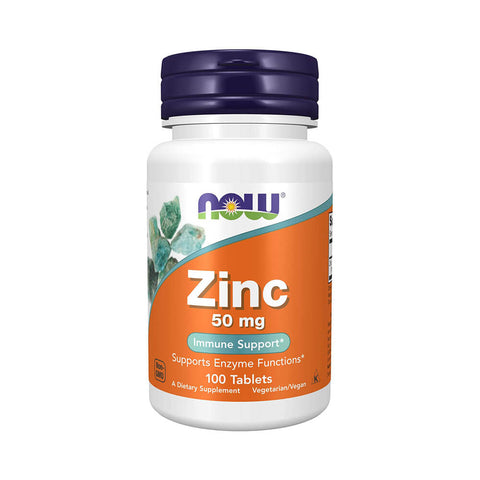
It is available in tablets, capsules, powders, and liquid vials or shots, either alone or combined with vitamin B6, zinc (for example, in ZMA formulas), vitamins D3 and K2, or electrolytes.
What doses are usually used?
EFSA has established an adequate intake of 350 mg of magnesium per day for men and 300 mg for women, from all sources (EFSA, 2015). For magnesium from supplements, the tolerable upper intake level is 250 mg per day, above which mild laxative effects may occur (EFSA, 2006). The label indicates elemental magnesium, not the total weight of the compound.
What forms are available?
The most common forms are magnesium citrate, bisglycinate (glycinate), oxide, lactate, malate, and taurate. They differ in their elemental magnesium content and solubility: oxide contains much magnesium per gram, while bisglycinate contains less, so a 500 mg capsule of the compound does not mean 500 mg of magnesium.
What can the label say?
Products with a significant amount of magnesium may use claims such as: “Magnesium contributes to the reduction of tiredness and fatigue,” “Magnesium contributes to electrolyte balance,” “Magnesium contributes to the normal functioning of the muscular system,” “Magnesium contributes to the normal functioning of the nervous system,” “Magnesium contributes to the maintenance of normal bone health,” and “Magnesium contributes to the normal synthesis of proteins.”
Magnesium products at Nutriland
- Magnesium + Vitamin B6, 90 tablets, Muscle Care
- Magnesium glycinate + B6, 120 capsules, Immune Labs
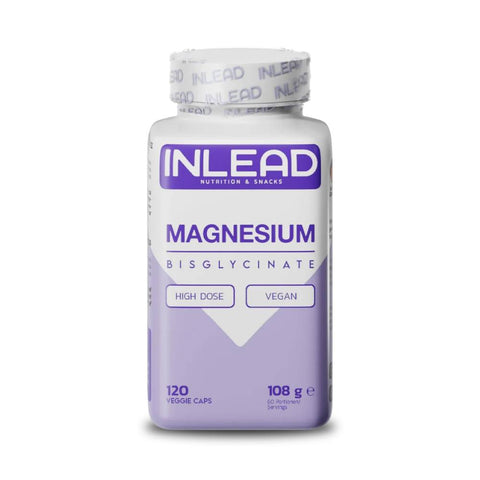
- Magnesium bisglycinate, 120 capsules, Inlead
- Liquid magnesium 25 ml, Weider
The updated price and availability are displayed on each product page.
Read more
- Magnesium citrate
- Types of magnesium
- Minerals Collection
- Dictionary: Zinc
- Dictionary: Electrolytes
- Nutriland Ingredient Dictionary, from A to Z
Note: A varied and balanced diet and a healthy lifestyle are important. Follow the quantity and method of consumption on the product label and do not exceed the recommended daily dose. The products are not intended for children, pregnant or breastfeeding women; if you have a medical condition, consult your doctor before use.
Sources
- EFSA NDA Panel. Scientific Opinion on Dietary Reference Values for magnesium. EFSA Journal, 2015;13(7):4186. doi.org/10.2903/j.efsa.2015.4186
- EFSA. Tolerable Upper Intake Levels for Vitamins and Minerals. Scientific Committee on Food, Scientific Panel on Dietetic Products, Nutrition and Allergies, 2006. www.efsa.europa.eu/sites/default/files/efsa_rep/blobserver_assets/ndatolerableuil.pdf