
Author: Irina Nedelcu, Co-owner and Chief Operating Officer of Nutriland, specialist in food management and safety
Updated: November 13, 2026
In short: Whey protein is the protein found in whey, the liquid that remains after cheese is made. It contains all essential amino acids and a lot of leucine. The guidelines from studies are 20-40 g of protein per meal, with a total intake of 1.4-2.0 g per kilogram of body weight per day for people who exercise.
What is whey protein?
Cow's milk contains approximately 20% whey protein and 80% casein. Whey is produced during cheese making; it is filtered and dried to obtain protein powder. Whey protein contains all essential amino acids, has a high leucine content, and is digested relatively quickly (Jäger et al., 2017).
What products contain whey protein?
It is the main ingredient in whey protein powders (concentrate, isolate, or hydrolysate) and also appears in protein blends, gainers, protein bars, protein pancakes, and other high-protein foods.
What doses are usually used?
ISSN describes for people who exercise a total intake of 1.4-2.0 g of protein per kilogram of body weight per day, divided into meals of approximately 0.25 g/kg, i.e., around 20-40 g of protein per meal (Jäger et al., 2017). A meta-analysis on strength training found that results no longer increase significantly above approximately 1.6 g/kg/day (Morton et al., 2018). Powder is a practical way to complete food proteins; the protein calculator shows you how much you need.
What forms exist?
Concentrate (WPC) usually has around 70-80% protein and retains some lactose and fats. Isolate (WPI) undergoes additional filtration and usually reaches over 90% protein, with very little lactose. Hydrolysate (WPH) is partially enzymatically broken down into smaller peptides. Compare the grams of protein per serving and per 100 g, not just the name.
What can the label say?
For foods that are at least a source of protein, the following statements can be used: "Proteins contribute to the growth of muscle mass", "Proteins contribute to the maintenance of muscle mass" and "Proteins contribute to the maintenance of normal bone health". Formulations such as "fast recovery" or "anabolic effect" are not among the permitted formulations.
Whey protein products at Nutriland
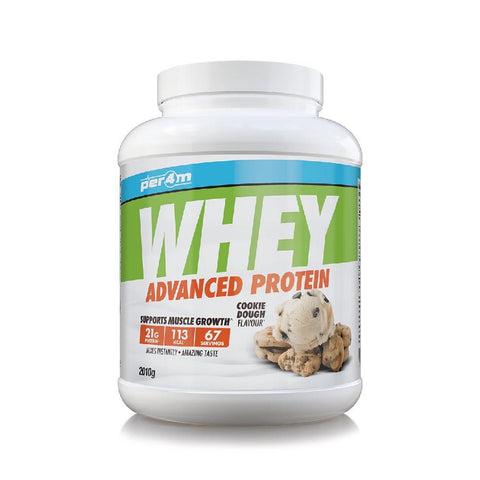
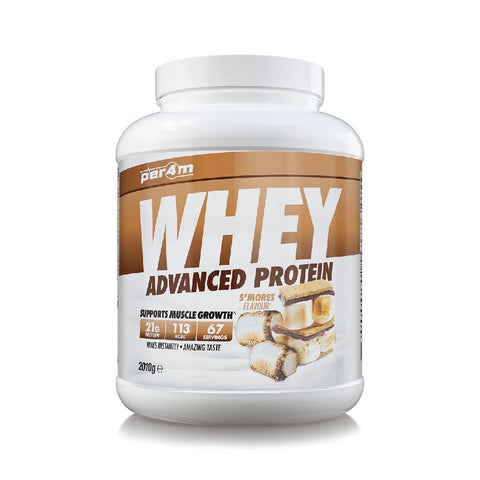
- Whey Protein 2 kg, Per4m
- 100% Whey Protein 2000 g, Body Attack
- Iso Whey Zero 1816 g, BioTechUSA (isolate)
The updated price and availability are displayed on each product page.
Read more
- The most recommended whey proteins in 2026
- How much protein do you need per day
- Whey Protein Concentrate Collection
- Whey Protein Isolate Collection
- Protein calculator
- Dictionary: Casein
- Dictionary: BCAA
- Nutriland Ingredient Dictionary
Note: a varied and balanced diet and a healthy lifestyle matter. Follow the quantity and method of consumption on the product label and do not exceed the recommended daily dose. The products are not intended for children, pregnant or breastfeeding women; if you have a medical condition, discuss it with your doctor before use.
Sources
- Jäger R et al. International Society of Sports Nutrition Position Stand: protein and exercise. Journal of the International Society of Sports Nutrition, 2017. pubmed.ncbi.nlm.nih.gov/28642676/
- Morton RW et al. A systematic review, meta-analysis and meta-regression of the effect of protein supplementation on resistance training-induced gains in muscle mass and strength in healthy adults. British Journal of Sports Medicine, 2018. pubmed.ncbi.nlm.nih.gov/28698222/
- EFSA NDA Panel. Scientific Opinion on the substantiation of health claims related to protein and increase in satiety leading to a reduction in energy intake (...), growth or maintenance of muscle mass (...), maintenance of normal bone (...). EFSA Journal, 2010;8(10):1811. doi.org/10.2903/j.efsa.2010.1811