
Author: Irina Nedelcu, Co-owner and Chief Operating Officer of Nutriland, food management and safety specialist
Updated: October 25, 2026
In short: Vitamin C (ascorbic acid) is a water-soluble vitamin that the body cannot produce. EFSA has set a reference intake of 110 mg per day for men and 95 mg for women. It is found in peppers, citrus fruits, kiwi, broccoli, and rose hips.
What is vitamin C?
Vitamin C is necessary for collagen formation, is a water-soluble antioxidant, and helps with the absorption of iron from plant-based foods. Excess is excreted in urine, so it must be consistently obtained from food. Red bell peppers, blackcurrants, kiwi, citrus fruits, strawberries, broccoli, and cabbage are very good sources.
In what products can you find vitamin C?
You can find it in tablets and capsules, including extended-release versions, as well as in effervescent tablets and powder, in products with rose hip or acerola extract, and in combinations with zinc, vitamin D, or collagen.
What doses are usually used?
EFSA has set the reference intake for adults at 110 mg of vitamin C per day for men and 95 mg for women (EFSA, 2013). Supplements often contain 200–1000 mg per dose. For those who engage in intense physical exercise, there is a specific mention related to a daily intake of 200 mg in addition to the recommended daily intake (see below).
What forms are available?
Ascorbic acid is the basic form. Sodium or calcium ascorbate is less acidic, while buffered forms are designed for sensitive stomachs. Ascorbyl palmitate is a fat-soluble form often used as an antioxidant in products. Rose hip or acerola extracts provide vitamin C from plants, usually in smaller quantities.
What can the label say?
Products with a significant amount of vitamin C may use claims such as: “Vitamin C contributes to the normal functioning of the immune system,” “Vitamin C contributes to the reduction of tiredness and fatigue,” “Vitamin C contributes to the normal formation of collagen for the normal functioning of the skin,” and “Vitamin C increases iron absorption.” For 200 mg per day, there is also: “Vitamin C contributes to the maintenance of the normal functioning of the immune system during and after intense physical exercise,” with the information that the beneficial effect is obtained with a daily intake of 200 mg in addition to the recommended daily intake of vitamin C.
Products with vitamin C at Nutriland
- Vitamin C 1000 mg, 100 capsules, Applied Nutrition
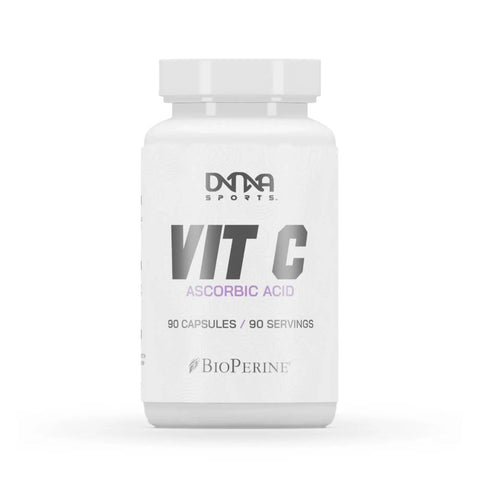
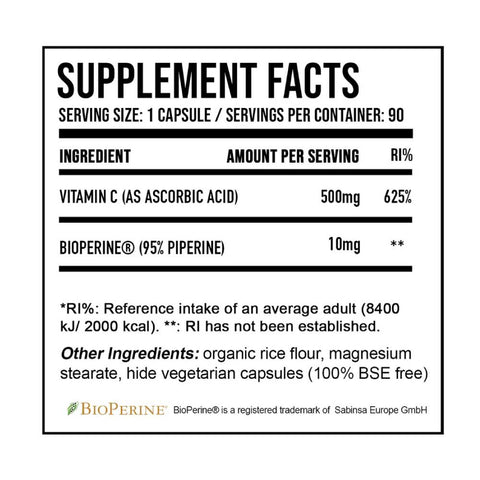
- Vitamin C 500 mg, 90 capsules, DNA Sports
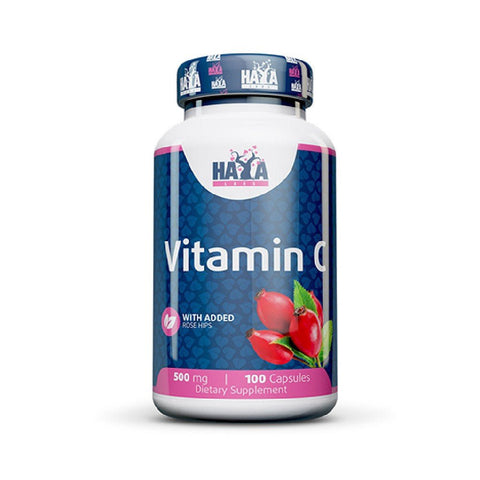
- Vitamin C with Rose Hips 500 mg, 100 capsules, Haya Labs
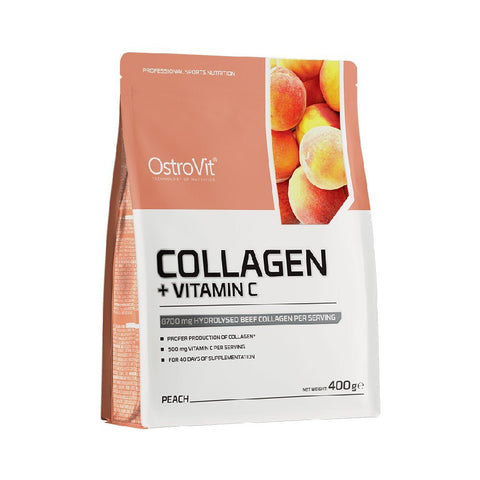
- Collagen + Vitamin C 400 g, Ostrovit
The updated price and availability are displayed on each product page.
Read more
- Supplements for the cold season
- Vitamin Collection
- Dictionary: Collagen
- Dictionary: Iron
- Nutriland Ingredient Dictionary, from A to Z
Note: A varied and balanced diet and a healthy lifestyle are important. Follow the quantity and method of consumption on the product label and do not exceed the recommended daily dose. The products are not intended for children, pregnant or breastfeeding women; if you have a medical condition, consult your doctor before use.
Sources
- EFSA NDA Panel. Scientific Opinion on Dietary Reference Values for vitamin C. EFSA Journal, 2013;11(11):3418. doi.org/10.2903/j.efsa.2013.3418