
Discover when consuming matcha is not recommended and what adverse effects it can have on your health.
-
⚠️ Matcha contains caffeine and can cause insomnia, anxiety, or palpitations if consumed in excess.
-
❤️🔥 Not recommended for people with cardiovascular diseases or high blood pressure.
-
💊 It may interfere with some medications, especially anticoagulants or anxiety treatments.
-
🤰 Pregnant or breastfeeding women should limit their consumption of matcha.
-
🧬 Excess matcha can harm the liver due to the high concentration of antioxidants and active compounds.
⚡ Adverse effects of excessive matcha consumption
😵Too much caffeine? Insomnia and restlessness can quickly occur
Matcha contains a high amount of caffeine compared to other types of green tea. In large doses, it can lead to insomnia, restlessness, and difficulty concentrating. Especially if you drink it in the afternoon or evening, it can seriously disrupt your sleep.
💓 Palpitations and tension?
Caffeine stimulates the nervous system and increases heart rate. In sensitive people or those with heart problems, this effect can be accentuated, leading to palpitations, dizziness or even episodes of hypertension.
🧘♀️ From calm to restlessness: when the energy from matcha becomes too intense
Although matcha provides an energy boost thanks to L-theanine and caffeine, too much can cause jitters or anxiety. If you notice that you become irritable or hyperactive after consuming it, it's a sign that you should reduce your dosage.
❤️ Contraindications for people with medical conditions
🪀 Heart problems? Matcha can exacerbate symptoms
People with arrhythmias or other heart conditions should avoid matcha or consume it occasionally, in small amounts. Caffeine can destabilize heart rhythm and worsen existing conditions.
⛺ Hypertension and matcha: a risky combination
While the antioxidants in matcha may provide long-term benefits, the caffeine may temporarily raise blood pressure. If you are taking medication for high blood pressure, consult your doctor before introducing matcha into your routine.
🧠 Neurological disorders and the consumption of concentrated green tea
Epilepsy, migraines, or anxiety disorders can be aggravated by stimulants. Matcha, although natural, remains a concentrated product that can intensify certain neurological symptoms.
💊 Interactions between matcha and certain medications
⚖️ Anticoagulants and matcha
Matcha is rich in vitamin K, which can reduce the effectiveness of anticoagulant medications such as warfarin. It is essential for patients to avoid large fluctuations in matcha consumption.
🧘♂️ Anxiety Treatments
Caffeine can counteract the calming effects of medications for anxiety or depression. In some cases, it can even amplify symptoms of anxiety or panic.
❌ Why you should consult your doctor before drinking matcha regularly
Even if you take other health supplements , such as collagen , are on the keto diet , or have other special diets, matcha may not be right for you. Always ask a doctor before introducing new supplements or foods into your diet.
🧱 Consuming matcha during pregnancy and breastfeeding
👶 Caffeine and pregnancy
Excessive caffeine consumption during pregnancy may increase the risk of premature birth or low birth weight. Matcha should be consumed rarely and in very small quantities by pregnant women.
🍼 Matcha while breastfeeding
Caffeine passes into breast milk and can affect a baby's sleep. It can also cause agitation or irritability. It is recommended that breastfeeding mothers limit their consumption to no more than one small cup per day.
🔽 When and how much is too much?
Experts recommend that pregnant or breastfeeding women not exceed 200 mg of caffeine per day. Because matcha is more concentrated, half a teaspoon is often sufficient and should be consumed with caution.
🧪 The risks of consuming matcha for the liver
🦢 Too many antioxidants? Yes, it's possible and they can damage the liver
Although antioxidants are beneficial, in large doses they can become toxic. Studies show that excessive doses of green tea extract (such as matcha) can cause liver damage.
🧳 Those with liver problems should be cautious with matcha
People diagnosed with hepatitis, fatty liver disease, or other liver conditions should avoid unapproved supplements or highly concentrated teas, including matcha.
🧃 It's not just a tea: the high concentration of active substances matters
Matcha is different from regular green tea. The whole leaf is consumed, finely ground, which means the doses of antioxidants, caffeine, and other compounds are much higher. Therefore, moderation is key.
Matcha is undoubtedly a drink with impressive health benefits, providing energy, antioxidants, and metabolic support. However, like any concentrated and powerful food, it should be consumed responsibly. While it may seem like a natural and healthy choice, matcha can have adverse effects if consumed in excess or in sensitive medical contexts.
References:
-
https://www.webmd.com/vitamins/ai/ingredientmono-960/green-tea
-
Sokary, S., Al-Asmakh, M., Zakaria, Z., & Bawadi, H. (2022). The therapeutic potential of matcha tea: A critical review on human and animal studies. Current research in food science, 6, 100396. https://doi.org/10.1016/j.crfs.2022.11.015
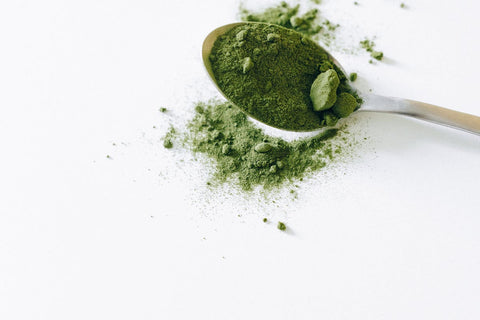
Photo source: Photo by Nataliya Vaitkevich on Pexels.com.