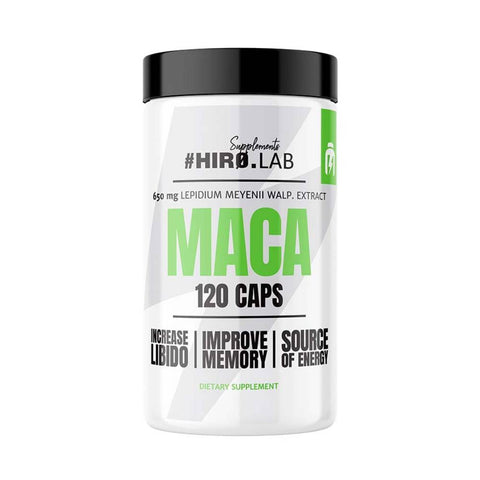
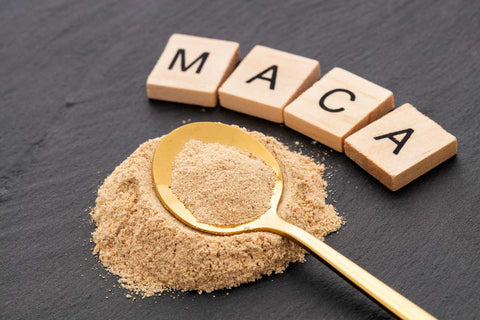

If you're looking for a natural supplement to help improve your overall well-being, maca could be an option worth considering. This plant from the Peruvian Andes has become popular in recent years due to its potential health benefits. We'll explore in detail what maca is and how you can include it in your diet so you can make the most of its properties.
Contents:
-
What is maca and what is its origin?
-
The benefits of consuming maca
-
Consumption forms and recommended dosage for maca
-
How to incorporate maca into your diet?
-
Possible side effects and precautions when it comes to consuming maca
What is maca and what is its origin?
Maca ( Lepidium meyenii ) is a plant native to the Peruvian Andes, cultivated for over 2000 years at altitudes of over 4000 meters. Also known as Peruvian ginseng, it is part of the Brassicaceae family. The root is the edible part of the plant, having a round shape similar to a radish. This remarkable adaptability to difficult climatic conditions is also reflected in the benefits it offers to the human body.
Maca has been traditionally used by Andean populations as a food and as a remedy to improve fertility, energy and endurance. It grows underground in a variety of colors and has a slightly nutty flavor. Nutritionally, maca root contains a wide range of essential nutrients:
-
Complex carbohydrates
-
PROTEIN
-
fiber
-
Vitamins (vitamin C and B complex vitamins)
-
Minerals (iron, calcium, copper, zinc)
-
Essential fatty acids
-
AMINO

In addition to its nutritional value, maca also contains unique bioactive compounds such as macamides, macaridines, and glucosinolates. Due to these properties, it is classified as a natural adaptogen, helping the body adapt to stress. Now that you have learned about its origin and composition, let's see how this superplant can help you in your everyday life.
The benefits of consuming maca
Maca is valued for its effects on sexual and reproductive functions, but it also offers a number of benefits for your overall health.

Improving libido and sexual function
One important benefit is its ability to increase libido. Studies have shown that regular intake of maca can significantly improve sexual desire. This effect is due to its ability to optimize hormonal levels and improve blood flow.
For men, black maca appears to have positive effects on erectile dysfunction. Research suggests that it may improve the quality of erections and overall sexual satisfaction. In addition, it may help increase sperm production and sperm motility.
Increasing male fertility
Furthermore, research has shown that maca has significant benefits for men in terms of fertility. Consumption of maca powder has been shown to increase sperm volume, count, and motility. This makes maca a valuable natural supplement for couples trying to conceive. Additionally, you can include supplements for sexual health , well-being, and energy in your care plan.
Improving menopause symptoms
For women, one important benefit is its ability to reduce symptoms associated with menopause. Studies have shown that it can improve hot flashes, sleep disturbances, mood swings, and other symptoms specific to this period. Maca acts as a natural hormone modulator, helping to balance estrogen and progesterone levels.
Increasing energy and reducing fatigue
Maca is known for its energizing properties. Regular consumption can combat fatigue, increase endurance and improve physical performance. Complex carbohydrates provide a stable source of energy, while its rich content of vitamins and minerals supports energy metabolism at the cellular level.
Improving mood
Due to its high flavonoid content, maca may have positive effects on mental health. It has been observed to reduce symptoms of anxiety and depression. Maca acts as an adaptogen, helping the body cope better with stress.
Supporting cognitive functions
Some studies suggest that maca may improve learning and memory. The antioxidants in maca may protect brain cells, while its essential nutrients support overall nervous system health.
Supporting the immune system
Maca is rich in vitamin C and other nutrients that support immune function. Regular consumption can help strengthen the immune system, making you more resistant to infection and disease. Its adaptogenic properties may help reduce chronic stress.
Improving bone health
Maca contains significant amounts of calcium and other minerals essential for bone health, making it a valuable supplement for preventing osteoporosis.
Now that you know what benefits consuming maca can offer you, let's see how you can include it in your daily routine.
Consumption forms and recommended dosage for maca
There are several forms you can consume maca. Whether you prefer powder, capsules, or extract, it's important to choose the option that suits you best.
Maca powder
Maca powder is the most popular form of consumption. It is obtained by drying and grinding the root. You can add maca powder to smoothies, yogurt, cereals or other preparations. The recommended daily dose is generally between 1.5 and 3 grams.
Maca capsules
Capsules provide precise dosing and are easy to take. The usual dose is 500-1000 mg 1-3 times daily. Capsules are a good choice if you don't like the taste of maca powder.
Maca extract
Maca extract is a concentrated form, available in liquid or pill form. Dosage varies depending on the concentration, but generally 1-2 ml of liquid extract or 1-2 pills per day are recommended.
Maca powder for infusions
Maca powder can be used to make infusions or added to foods. You can make maca tea by boiling 1-2 teaspoons of powder in water for 5-10 minutes. The recommended dosage is similar to that of the powder, 1.5-3 grams daily.
Dosage and administration
The beneficial effects of maca are usually seen after regular consumption for at least 6-8 weeks. It is recommended to start with low doses and increase gradually to avoid possible side effects. Start with 1 gram per day and gradually increase to 3-5 grams per day, depending on tolerance and desired effects.
Regardless of the form chosen, it is essential to respect the recommended doses and consult a specialist before starting administration, especially if you have pre-existing conditions or are undergoing other treatments. Now that you have learned about the different forms of consumption, let's see how you can integrate maca into your daily diet.
How to incorporate maca into your diet?
There are many ways to add maca to your diet. From energizing smoothies to delicious desserts, maca can be a versatile and beneficial ingredient.
In smoothies and drinks
Mix 1-2 teaspoons of maca powder with fruit, green vegetables, and plant-based milk for a nutritious and energizing smoothie. You can also add maca powder to coffee, cocoa, or tea.
In cereal and yogurt
Sprinkle 1 teaspoon of maca powder over your favorite cereal, oatmeal, or yogurt.
In desserts and pastries
Add maca powder to your cake, muffin or bread dough. You can replace some of the flour with this powder.
In sauces and dressings
Incorporate a teaspoon of powdered maca into salad or pasta sauces.
In savory dishes
Try adding a teaspoon of maca powder to soups, stews, or even your morning omelet.
As a supplement
For a quick and convenient method, you can take maca powder capsules or tablets. Always follow the recommended dosage on the packaging.

Regardless of the method you choose, start with small doses of 1-2 grams per day and gradually increase to 3-5 grams to allow your body to adapt. Consume maca consistently for at least 6-8 weeks to see the benefits. Experiment with different recipes and find the ways that work best for you. But, above all, it is important to be aware of the possible side effects and precautions.
Possible side effects and precautions when it comes to consuming maca
Although maca is generally considered safe, there are some things to consider. It's important to be informed and consult a specialist before starting to take it, especially if you have certain health conditions.
Potential side effects
Most people tolerate maca well, but some people may experience mild side effects, especially at the beginning of administration:
-
Digestive discomfort : Some people may experience bloating, cramps, or mild diarrhea.
-
Insomnia : Due to its energizing effects, consuming maca late at night may interfere with sleep.
-
Mood changes : In rare cases, mood swings or irritability have been reported.
-
Acne or rashes : Some people may experience minor skin problems.
To minimize the risk of these side effects, it is recommended to start with a low dose and gradually increase your intake. Also, avoid consuming maca late at night if you notice that it affects your sleep.
Precautions and contraindications
Certain categories of people should be cautious about consuming maca or consult a doctor before starting to take it:
-
People with thyroid conditions : Maca It contains goitrogens that can interfere with thyroid function.
-
Pregnant or breastfeeding women : There are not enough studies on the safety of this herb during pregnancy or breastfeeding.
-
People with hormone-dependent cancers : Maca may influence hormone levels.
-
Those undergoing hormonal treatments : This superplant may interfere with hormonal medication.
-
People with high blood pressure : Some studies suggest that maca might slightly increase blood pressure.
-
People with blood clotting problems : Maca might affect blood clotting.
It is important to note that medical opinions regarding the safety of maca differ. Before starting to take maca, it is recommended to consult a doctor, especially if you have any health problems or are taking other medications. Now that you have all the necessary information, let's draw some conclusions and see if maca is right for you.
Maca is an adaptogenic herb with multiple benefits, but it is not a panacea. To make the most of its potential, you can include it in your supplement regimen for sexual health , well-being and energy. If you are struggling with persistent fatigue, low libido or unpleasant symptoms of menopause, maca could be a valuable ally. However, remember that a healthy lifestyle, a balanced diet and regular exercise are fundamental. So, before relying exclusively on supplements, make sure you have laid the foundations for a healthy and balanced life. Maca can be a valuable addition, but not a substitute for healthy habits.
References:
-
Gonzales, GF, et al. "Effect of Lepidium meyenii (Maca) on sexual desire and its absent relationship with serum testosterone levels in adult healthy men." Andrology. 2002;34(6):367-372.
-
Brooks, NA, et al. "Beneficial effects of Lepidium meyenii (Maca) on psychological symptoms and measures of sexual dysfunction in postmenopausal women are not related to estrogen or androgen content." Menopause. 2008;15(6):1157-1162.
-
National Institutes of Health. "Poppy." National Center for Complementary and Integrative Health.
Photo source: Shutterstock.com