
When we talk about a balanced diet, healthy fats are one of the fundamental pillars of a nutritious diet.
For decades, dietary fats have been viewed with suspicion, being blamed for weight problems and cardiovascular disease. But modern research shows us that certain types of fats are not only beneficial, but absolutely essential for the functioning of your body, including for sports nutrition for those pursuing physical performance.
The role of fats in the body goes far beyond simply providing energy at the cellular level. They participate in the processes of vitamin absorption, hormone synthesis, and maintaining cellular health.
Understanding the difference between good and bad fats will allow you to make smart food choices that support your long-term health.
Are you ready to discover how you can integrate more healthy fats into your daily diet?
Summary:
-
Unsaturated fats are essential for the functioning of the body, from energy production and vitamin absorption to cellular, hormonal and cardiovascular health.
-
Omega 3 (EPA, DHA, ALA) has major benefits for the brain, heart, inflammation and athletic performance, and dietary sources such as fatty fish, seeds and algae are essential for optimal intake.
-
Good sources of healthy fats include extra virgin olive oil, avocados, nuts, seeds, and fatty fish, while hydrogenated and trans fats should be avoided due to negative health effects.
Contents:
-
What are good or healthy fats and what is their role in the body?
-
Olive oil, avocados, and other sources and foods rich in healthy fats
1. What are good or healthy fats and what is their role in the body?

Photo by Valeria Boltneva on Pexels.com
Although they have long been demonized, they are essential for the proper functioning of the body: they support cardiovascular health, help absorb fat-soluble vitamins, and contribute to energy production.
1.1 Chemical structure of healthy fats
To understand what healthy fats are, we need to start with their chemical structure. Healthy fats, also known as unsaturated fats, are characterized by the presence of one or more double bonds in their molecular structure. This particularity gives them beneficial properties for the body, unlike saturated or industrially processed fats.
1.2 The role of healthy fats for the human body
The role of fats in the body is complex and multifunctional.
-
First, they are a concentrated source of energy, providing 9 calories per gram, more than protein or carbohydrates. But their energy function is just the tip of the iceberg.
-
Healthy fats facilitate the absorption of fat-soluble vitamins - A, D, E and K - and antioxidants, which are essential for various biological processes, from maintaining eye health to blood clotting.
-
Another crucial aspect of healthy fats is their role in maintaining the integrity of cell membranes. These membranes control what enters and leaves cells, and their lipid composition directly influences cellular function. Quality fats contribute to the flexibility and permeability of membranes, allowing for the efficient exchange of nutrients and waste.
-
Also, certain types of fats serve as precursors for important signaling molecules, such as prostaglandins, which regulate inflammatory processes and other physiological functions.
This explains why the quality of fats in your diet can directly influence the body's inflammatory response and, implicitly, your overall health.
2. Unsaturated fats: the main types and their benefits
Unsaturated fats fall into two main categories, each with distinct characteristics and benefits for your health. Understanding these differences will help you make more informed food choices and optimize your nutrient intake.
2.1 Monounsaturated fats
Monounsaturated fats, characterized by the presence of a single double bond, are found in abundance in olive oil, avocados, walnuts, and almonds. These good fats have been shown to support cardiovascular health by modulating blood lipid profiles. Studies show that replacing saturated fats with monounsaturated fats can help maintain a favorable balance between the different types of cholesterol in the body.
2.2 Polyunsaturated fats
On the other hand, polyunsaturated fats contain two or more double bonds and include the essential fatty acids omega 3 and omega 6.
-
The term "essential" is not accidental - your body cannot synthesize these fatty acids, so you must obtain them exclusively from your diet.
-
They function as precursors for various bioactive molecules that regulate inflammatory processes, immune function, and cardiovascular health.
2.3 Benefits and role of unsaturated fats
The benefits of unsaturated fats extend beyond heart health.
-
They contribute to maintaining the flexibility of cell membranes, thus supporting the functioning of neurons and other specialized cells.
-
Additionally, unsaturated fats can positively influence insulin sensitivity, helping to regulate blood glucose levels.
An important aspect to remember is the balance between the different types of unsaturated fats.
-
The modern Western diet tends to be high in omega 6 and low in omega 3, creating an imbalance that can promote inflammatory processes.
-
Therefore, it is crucial to pay special attention to sources of omega 3 in your daily diet.
3. Omega 3 - benefits and essential food sources

Omega 3 fatty acids represent perhaps the most studied category of healthy fats, and ongoing research continues to reveal new aspects of their importance for health.
There are three main types of omega 3:
-
alpha-linolenic acid (ALA);
-
eicosapentaenoic acid (EPA);
-
docosahexaenoic acid (DHA), each with specific functions in the body.
ALA is found mainly in plant sources and can be converted in small amounts into EPA and DHA, although the efficiency of this conversion is limited.
EPA and DHA, found predominantly in fatty fish, are the most bioactive forms and have been associated with a wide range of health benefits, from supporting cognitive function to maintaining cardiovascular health.
3.1 Natural sources of Omega 3
Food sources of Omega 3 are diverse and can be adapted to different dietary preferences.
-
Fatty fish remains the richest and most bioavailable source of EPA and DHA.
-
Salmon, mackerel, sardines, herring, and tuna are excellent options that should appear regularly on your table.
-
To maximize benefits, choose wild fish when possible, as it tends to have a higher fatty acid profile than farmed fish.
For those following a vegetarian or vegan diet, flax seeds, chia seeds, walnuts, and flaxseed oil are valuable sources of ALA. Although conversion to EPA and DHA is limited, these foods can contribute significantly to your total Omega 3 intake.
Seaweed is a direct source of DHA for vegetarians, available in the form of supplements or fortified foods.
3.2 Omega 3 food supplements
The recommended amount of Omega 3 varies depending on age, gender and health status, but most experts suggest consuming at least two servings of fatty fish per week for the general population.
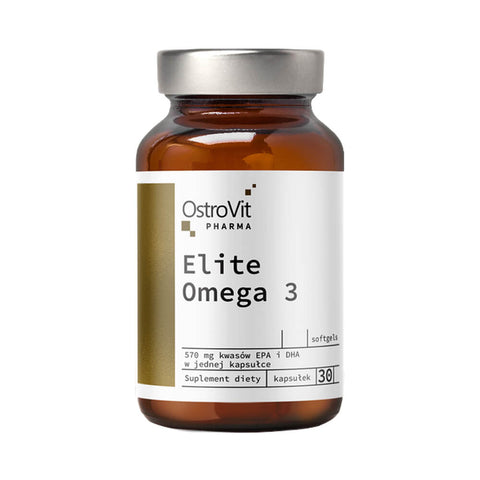
This equates to approximately 250-500 mg of EPA and DHA combined daily. You can find a wide range of Omega fatty acid supplements to supplement your diet with these equivalent amounts.
If you are wondering when to take Omega 3, morning or evening , it is good to know that its absorption is optimal in the presence of fats, therefore, taking supplements is preferable with main meals.
Besides Omega 3, there are other important sources of healthy fats that you should include in your diet. Discover them in the next section.
4. Olive oil, avocados and other sources and foods rich in healthy fats

Extra virgin olive oil holds a special place in the pantheon of healthy fats, being the cornerstone of the Mediterranean diet, one of the most studied and appreciated dietary patterns in the world. This oil is not only an excellent source of monounsaturated fats, but also contains an impressive range of bioactive compounds, including vitamin E and polyphenols with antioxidant properties.
The quality of olive oil is crucial for its nutritional benefits.
-
Extra virgin oil, obtained by cold pressing without the use of chemical solvents, retains the highest concentration of beneficial nutrients.
-
It can be used both for cooking at moderate temperatures and as a salad dressing, thus maximizing the intake of healthy fats in your diet.
Avocado is another exceptional source of monounsaturated fats, providing additional fiber, potassium, and folate.
-
The versatility of this fruit makes it perfect for integration into various preparations, from salads and sandwiches to smoothies and healthy desserts.
-
The fats in avocados may even improve the absorption of carotenoids from other foods consumed simultaneously.
Nuts and seeds constitute a diverse category of foods rich in healthy fats.
-
Almonds, walnuts, sunflower seeds, and pumpkin seeds provide not only beneficial fats, but also protein, fiber, and essential minerals.
-
These foods are ideal as snacks or as ingredients in various culinary preparations.
Other valuable sources include avocado oil, perfect for high-temperature cooking due to its high burning point, and walnut oil, excellent for dressings and finishing dishes.
Fatty fish, already mentioned for its Omega 3 content, also offers monounsaturated fats, making it a complete nutritional choice.
5. Fats to avoid: hydrogenated and trans fats
As you learn to identify and include healthy fats in your diet, it is equally important to recognize and avoid the types of fats that can have negative effects on your health.
Hydrogenated fats and trans fats represent the most problematic category, being created through industrial processes that fundamentally alter the natural structure of fats.
The hydrogenation process involves adding hydrogen to liquid vegetable oils to transform them into solid or semi-solid fats.
This transformation extends the shelf life of food products and gives them a more stable texture, but at the same time creates artificial trans fats, which have documented negative effects on cardiovascular health.
Artificial trans fats are particularly problematic because they negatively influence blood lipid profiles, increasing LDL cholesterol (considered "bad") and decreasing HDL cholesterol (considered "good"). This double negative effect significantly increases the risk of developing cardiovascular disease, which is why many countries have implemented restrictions or bans on the use of these fats in the food industry.
To avoid trans fats, it's essential to read food labels carefully. Look for terms like "partially hydrogenated oils" or "trans fats" in the ingredient list.
Even if the nutrition label states "0g trans fat," the product may still contain small amounts of these fats if the ingredients list mentions partially hydrogenated oils.
Foods that frequently contain hydrogenated fats include:
-
commercial pastries;
-
margarine;
-
fried foods from fast food;
-
processed snacks;
-
some types of microwave popcorn.
Replacing these products with healthier alternatives, such as fresh fruit, nuts, or homemade baked goods made with healthy fats, can significantly contribute to improving the quality of your diet.
6. How to include healthy fats in your daily diet?

Incorporating healthy fats into your diet doesn't have to be complicated or restrictive. With a few simple, practical strategies, you can transform your regular meals into high-fat food sources without compromising on taste or satisfaction.
6.1 Integrating healthy fats into daily meals
The beginning of the day offers multiple opportunities to include healthy fats.
-
Add nuts or seeds to your morning cereal or yogurt, or make a smoothie with avocado and chia seeds.
-
Olive oil can be drizzled over eggs or used to sauté vegetables that accompany breakfast.
For lunch and dinner, make extra virgin olive oil your main choice for cooking and salad dressings.
-
Replace red meat with fatty fish at least twice a week, preparing grilled salmon, baked mackerel or sardines on wholemeal bread.
-
Avocado can be added to salads, sandwiches or used as a base for healthy sauces.
Snacks are an excellent opportunity to increase your intake of healthy fats.
-
A handful of mixed nuts, avocado slices with a little sea salt, or olives with cherry tomatoes can satisfy hunger between meals while providing valuable nutrients.
-
Walnut oil can be added to smoothies or drizzled over fruit salads for extra flavor and nutrition.
6.2 Other tips for introducing healthy fats into your daily diet
When cooking, experiment with different types of healthy oils depending on the cooking temperature.
-
Avocado oil is ideal for cooking at high temperatures, while flaxseed oil should be added at the end or used in cold dishes to preserve its nutritional properties.
-
Ground flaxseeds can be incorporated into bread, crackers or cereal for an additional omega 3 intake.
Meal planning can make it easier to consistently include healthy fats.
-
Always keep nuts, seeds, and quality olive oil on hand.
-
Prepare portions of fatty fish or avocado salads in advance to have quick and nutritious options available.
This proactive approach will help you maintain a balanced diet even on busy days.
Healthy fats are an essential component of a balanced diet, offering benefits that go far beyond simply providing energy. Understanding the difference between beneficial unsaturated fats and harmful trans fats allows you to make informed food choices that support your long-term health.
By regularly including sources of Omega 3, using extra virgin olive oil, and eating foods like avocados and nuts, you can create a solid nutritional foundation for a balanced lifestyle. Avoiding processed and trans fats, combined with conscious food choices, will help improve your overall health.
Remember that balance and variety are the keys to successful nutrition. Healthy fats should be part of a varied diet rich in vegetables, fruits, whole grains, and quality protein to give you all the nutrients you need for an active and healthy life.
Make healthy fats a reliable ally for a long and healthy life!
Warning: The information presented is for informational purposes only and does not replace the recommendations of a doctor or nutritionist. If you have medical conditions, intolerances, or are undergoing treatment, consult a professional before modifying your intake of healthy fats in your diet.
References:
https://pmc.ncbi.nlm.nih.gov/articles/PMC5577766/
https://www.sciencedirect.com/science/article/pii/S0924224425001384
https://www.sciencedirect.com/science/article/pii/S0924224425001384
https://nutritionsource.hsph.harvard.edu/what-should-you-eat/fats-and-cholesterol/