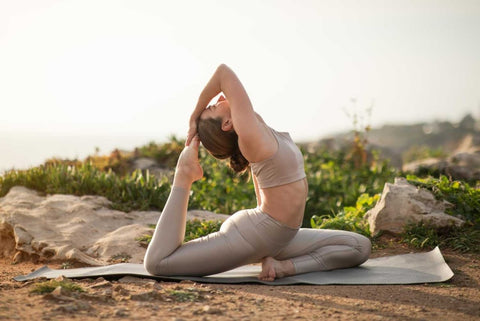

Yoga is more than just a form of exercise; it's an ancient practice that can transform your life. Do you feel stiff, stressed, or simply disconnected from your body? Yoga offers you a way to rediscover flexibility, inner calm, and an overall sense of well-being. Whether you're just starting out or want to deepen your practice, this guide provides you with the information you need to get started and progress in yoga.
In this article, you'll discover what yoga is and its benefits for the body and mind, learn basic poses for beginners, find out how to create a routine at home, and explore the different types of yoga. We'll also introduce you to the necessary equipment and practical tips for this transformative journey.
Summary
-
Yoga is a complete practice, not just a physical exercise - it combines postures, breathing and meditation to bring balance between body, mind and spirit, with both physical (flexibility, strength, posture) and mental (stress reduction, better sleep, concentration) benefits.
-
There are accessible poses and exercises for beginners – such as Tadasana (Mountain), Balasana (Child's Pose) or Adho Mukha Svanasana (Downward-Facing Dog) – that can be practiced at home in a simple routine, even for 15-20 minutes a day.
-
Yoga adapts to everyone's needs - there are types of yoga for the back, for relaxation and sleep, but also dynamic styles for weight loss; constant practice, with the minimum necessary equipment (a good mattress), leads to progress and personal transformation.
content
-
What is yoga and what are its benefits?
-
Yoga poses for beginners
-
Easy yoga exercises for home
-
Types of yoga for different needs
-
Yoga equipment needed for yoga practice
-
How to start practicing yoga
What is yoga and what are its benefits?
Yoga is a spiritual practice that originated in India thousands of years ago, combining physical movements, breathing techniques and meditation to create harmony between body, mind and spirit. The word yoga comes from Sanskrit and means "union" or "connection", reflecting its main goal: the union of individual consciousness with universal consciousness.
The practice of yoga is based on eight main components, known as the "eight limbs of yoga" :
-
Ethical principles (yama);
-
Personal discipline (niyama);
-
Physical postures (asana);
-
Breath control (pranayama);
-
Withdrawal of the senses (pratyahara);
-
Concentration (dharana);
-
Meditation (dhyana);
-
Spiritual enlightenment (samadhi).
The benefits of yoga are diverse, manifesting themselves on both a physical, mental and emotional level. Modern studies have confirmed what practitioners have known for centuries: this discipline can transform your quality of life.
On a physical level, yoga improves flexibility, muscle strength, and balance. The poses work all muscle groups, toning the body harmoniously. Regular practice also helps relieve back pain and improve posture.
The mental benefits of yoga are just as important. This practice reduces stress and anxiety levels, improves sleep, and increases concentration. Many studies have shown that yoga can be as effective as antidepressant medications in treating mild to moderate depression.

Yoga poses for beginners
If you're new to yoga, it's important to start with beginner yoga poses that are safe and accessible. These foundational poses will build a solid foundation for a more advanced practice. Here are some of them:
-
Mountain Pose (Tadasana) is the starting point for many other yoga poses. Stand with your feet slightly apart, arms relaxed at your sides. Feel your weight evenly distributed on both feet and imagine a rope gently pulling you up from the top of your head. This simple pose improves your posture and body awareness.
-
Child's Pose (Balasana) is perfect for relaxation and is considered a resting pose in yoga. Kneel on the mat, then lower your pelvis towards your heels. Bend forward, letting your forehead touch the floor and extend your arms in front of you or along your body. This yoga pose calms the nervous system and reduces stress.
-
Downward Facing Dog (Adho Mukha Svanasana) is one of the most well-known yoga poses. From a handstand position, lift your hips up, extend your legs and arms, forming an inverted V with your body.

-
Warrior Pose I (Virabhadrasana I) develops strength and balance. From a wide-legged stance, rotate your front foot outward and bend your knee, keeping your back leg straight. Raise your arms overhead and hold the position, feeling your legs strengthen and your chest open.
These yoga poses for beginners should be practiced with patience and attention to detail. Don't force yourself to achieve perfect form on the first try - yoga is a practice, not a performance. As you progress, you will notice an improvement in flexibility and strength.
Easy yoga exercises for home
By practicing yoga at home, you have the freedom to set your own schedule and practice at a pace that suits you. Beginner yoga exercises done at home can be just as effective as those in a studio, as long as you do them correctly and regularly.
To create an effective yoga routine at home, start with 15-20 minutes each day. Choose a time of day when you won't be disturbed and create a quiet, clean space for your practice. A morning yoga routine can energize your day, while an evening session can help you relax and prepare for sleep.

The Sun Salutation sequence (Surya Namaskara) is a set of yoga exercises that can form the basis of your home routine. It is a great way to warm up your body and start your day with energy.
Twisting poses are great for beginners. Simple Twisting Pose (Bharadvajasana) is done from a seated position with your legs extended. Bend one leg and rotate your torso to that side, supporting yourself with your hand on your back.
Breathing exercises (pranayama) are as important as the physical postures. Three-part breathing (Dirga Pranayama) is perfect for beginners: inhale, filling the abdomen first, then the ribs, and finally the chest, then exhale in the reverse order.
Types of yoga for different needs
The diversity of yoga styles available today allows each person to find the style that best suits them. Each style of yoga has unique characteristics and addresses specific needs.
-
Yoga for the back focuses on poses that strengthen the back muscles and improve posture. Hatha Yoga and Iyengar Yoga are particularly beneficial for back problems because they emphasize proper alignment and holding poses for longer periods of time. These styles help relieve chronic back pain and prevent future problems.
-
Yoga for sleep includes slower, more relaxing styles, such as Yin Yoga and Restorative Yoga. These practices use passive poses, held for 3-5 minutes, that activate the parasympathetic nervous system and induce a deep state of relaxation. Practicing these styles in the evening can significantly improve the quality of sleep.
-
Yoga for weight loss involves more dynamic and energetic styles, such as Ashtanga, Vinyasa or Power Yoga. These types of yoga increase the heart rate, burn calories and speed up the metabolism. By combining strength positions with fluid movements, these styles contribute to muscle tone and weight loss. It is important to combine yoga with a healthy diet and sports nutrition for optimal results.
Choosing the right type of yoga depends on your personal goals, fitness level, and individual preferences. It is recommended that you try several styles to find what works best for you. You can start with introductory classes or watch online tutorials to familiarize yourself with the different styles.
Equipment needed for yoga practice
One of the great advantages of yoga is that it doesn't require expensive or complicated equipment. With a few basic fitness and yoga accessories , you can practice it anywhere, anytime.
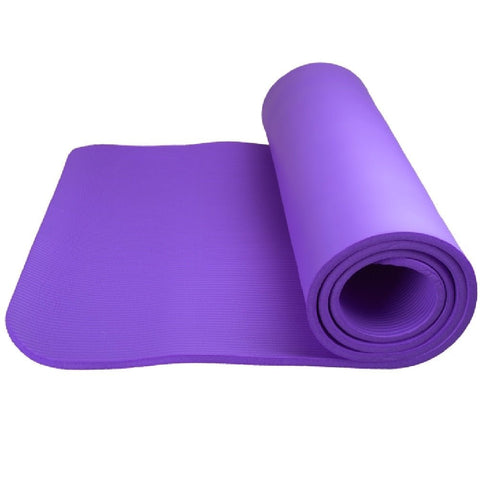
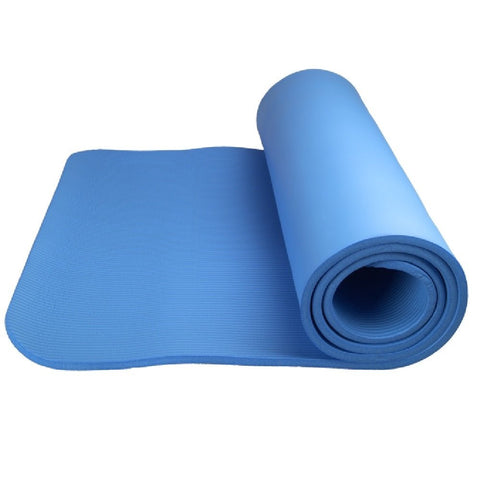
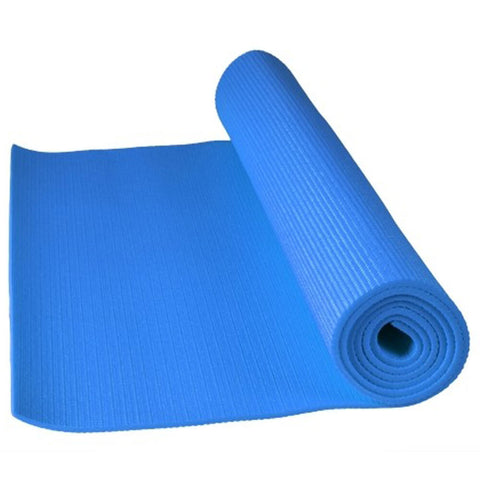
The yoga mat is the only truly essential accessory. A good mat provides you with the stability, comfort, and grip you need to safely perform poses. Choose a mat that is 4-6 mm thick, made of non-toxic, non-slip materials. The standard length of 183 cm is suitable for most people. There are a variety of materials available, including PVC, natural rubber, and TPE.

Yoga clothing should be comfortable and allow for freedom of movement. Stretchy, breathable materials, such as cotton-elastane blends or technical synthetic fibers, are ideal. Avoid loose-fitting clothing that can roll up in upside-down positions. Opt for clothing that allows you to move freely and feel comfortable.
While not essential for beginners, certain accessories can be useful as you develop your practice. Yoga blocks help you reach difficult poses, straps extend your range of motion, and pillows and blankets provide extra support in relaxation poses. These accessories can be especially useful if you have certain physical limitations or want to deepen certain poses.
How to start practicing yoga
Starting a yoga practice can seem daunting, but with the right attitude, it can become one of the most fulfilling experiences of your life. Practicing yoga properly involves more than just performing physical poses – it involves a holistic approach to body and mind.
The first step is to set clear intentions. Why do you want to practice yoga? Do you want to improve your flexibility, reduce stress, connect more deeply with yourself, or find a form of exercise that you enjoy? Clarifying your motivations will help you stay motivated throughout your journey. Write down your intentions and remind yourself of them before each session.
Breathing in yoga is the foundation of the entire practice. Learn to breathe consciously and deeply, using your diaphragm instead of your chest. Ujjayi breathing, also known as "ocean breathing," is a basic technique that involves slowly inhaling and exhaling through your nose, creating a soft, whispering sound. This technique helps you focus and relax during your practice.
If you prefer to start yoga online, there are many quality resources available. Look for experienced instructors and start with beginner classes. The advantage of online yoga is that you can practice at your own pace, repeating the lessons as many times as necessary. Make sure you have a quiet space and that you will not be interrupted during the session.
Integrating meditation into your practice will amplify the benefits. Start with just 5 minutes of meditation at the end of your yoga session, focusing on your breath or repeating a simple mantra. This practice will calm your mind and deepen your mind-body connection. Meditation can help you reduce stress and improve focus.
Consistency is more important than intensity. It's better to practice 15 minutes a day than 2 hours once a week. Create a realistic routine that you can maintain long-term and adapt it as your needs evolve. Find a time of day that works best for you and try to stick to it.

Always listen to your body and respect your limits. Yoga doesn't have to be painful - slight discomfort is normal, but sharp pain is a signal to stop. Progress in yoga comes with time and regular practice, not by forcing poses. Be patient with yourself and enjoy the process.
Yoga is a personal journey of discovery and transformation that can enrich your life in ways you may not have imagined. Regardless of your age, fitness level, or previous experience, yoga offers you valuable tools to live a healthier, more balanced, and more mindful life. Take your first step on this wonderful path today and allow yourself to discover the transformative power of yoga. Don't be discouraged if you can't do certain poses at first. With practice, you will progress and discover the benefits of yoga.
reference
-
https://connect.mayoclinic.org/blog/cancer-education-center/newsfeed-post/benefits-of-yoga/
-
https://www.nccih.nih.gov/health/yoga-what-you-need-to-know
-
https://osteopathic.org/what-is-osteopathic-medicine/benefits-of-yoga/
Photo source: Freepik.com