
Antioxidants help fight the effects of free radicals and protect your body from oxidative stress. By consuming antioxidant-rich foods daily, you can help improve your overall health and slow down the aging process.
-
🫐 Colorful fruits and vegetables are the richest natural sources of antioxidants
Blueberries, blackberries, cranberries, spinach and artichokes are just a few of the foods richest in natural antioxidants. -
🍫 Dark chocolate, pecans and red beans are surprising allies for health
Dark chocolate (over 70% cocoa) is rich in heart-protecting flavonoids, and pecans and red beans offer a powerful mix of antioxidants, fatty acids, vitamins, and minerals. -
🍓 Include antioxidants in your diet daily through planning and variety
Meal planning is key to getting a consistent antioxidant intake. The color rule – the more intense the pigment, the more antioxidants – can guide your choices.
🍲 Top 10 foods rich in antioxidants
🫐 Blueberries: Antioxidant Champions
When thinking about foods rich in antioxidants, it's important to focus on those natural sources that offer the greatest benefits.
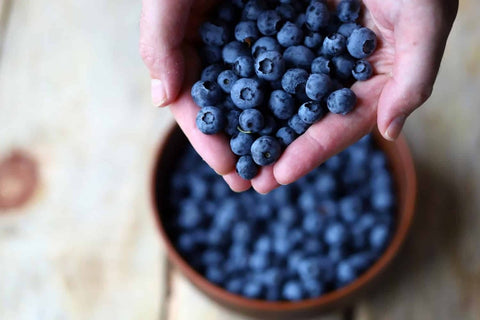
Blueberries top the list, considered among the most powerful antioxidant fruits. These berries contain high concentrations of anthocyanins, compounds that give them their distinctive color and protective properties. Regular consumption of blueberries may support cognitive function and contribute to cardiovascular health.
🍫 Dark Chocolate: Pleasure and Protection for the Heart
Dark chocolate is a pleasant surprise in the list of antioxidant foods. High in flavonoids, chocolate with over 70% cocoa can help lower blood pressure and protect heart health. Choose quality varieties without excess added sugars to benefit from its properties.
🥜 Pecans: Nutritious Sources of Antioxidants
Pecans are notable for their antioxidant content, complemented by a rich nutritional profile that includes vitamins A, E, and B complex, as well as essential minerals like magnesium, zinc, and iron. These nuts also provide beneficial fatty acids that support nervous and cardiovascular health.
🌱 Artichoke: Vegetable with antioxidant superpowers
Among antioxidant vegetables, artichokes hold an important place due to their polyphenol content. This versatile vegetable is rich in folic acid, iron, phosphorus and fiber, and also provides vitamins A, C and K.
Artichokes also contain inulin, a prebiotic fiber that stimulates the immune system and promotes digestive health.
🛡️ Cranberries: Defenders of urinary tract health
Cranberries are known for their urinary tract benefits, but their nutritional value goes even further. These small berries contain powerful antioxidants , essential fatty acids, protein, and a wide range of vitamins from the B complex, C, and E, plus important minerals like calcium, magnesium, and potassium.
🖤 Blackberries: Fruits with anti-aging effects for the skin
Blackberries are among the most powerful fruits. These fruits stimulate collagen production and provide protection, making them an excellent choice if you want to maintain healthy skin and a youthful appearance.
🌼 Shock: Cellular protection and immune support
Elderberry, through its flowers rich in bioflavonoids, provides an important supply of antioxidants. These compounds have cell-protective effects, and elderberry is a source of vitamins A and C, essential for the immune system.
🌿 Coriander: Flavor and antioxidant balance
Coriander is not only an aromatic herb, but also a source of antioxidants. This herb contains beneficial fatty acids such as linoleic acid and palmitic acid, as well as vitamin C and vitamin A, contributing to cholesterol balance and overall health.
🥫 Red beans: Energy, protection and fiber
Red kidney beans round out the list with an impressive nutritional profile. In addition to antioxidants, this legume provides vitamins C, K, and B complex, omega fatty acids, fiber, and a wide range of minerals, including calcium, iron, potassium, and magnesium.
🥗 Spinach: Green shield for the body
Spinach, as a leafy green vegetable, is rich in lutein and beta-carotene, compounds essential for eye health. This vegetable also contains vitamin C and flavonoids, which protect cells and strengthen the immune system.
❓ Why include more antioxidants in your diet
🛡️ Antioxidants – The Cell Shield
The importance of antioxidants in food should not be underestimated. These compounds act as a shield for your cells, neutralizing free radicals that form in the body as a result of normal metabolic processes, but which can become harmful when they accumulate.
⚡ Free radicals and oxidative stress
Free radicals are unstable molecules that seek to "steal" electrons from other molecules, causing cellular damage. This process, called oxidative stress, is implicated in accelerated aging and the development of chronic problems.
🌱 Diet rich in antioxidants – multiple benefits
A diet rich in antioxidants has multiple benefits. These compounds help slow the aging process by protecting cells from oxidative stress. Regular consumption of antioxidants may reduce the risk of developing chronic diseases, including cardiovascular problems, type 2 diabetes, and certain forms of cancer.
🦠 Strong immune system
Your immune system benefits from an adequate intake of antioxidants. These compounds support immune function, helping the body fight infections.
🤔 How to include more antioxidants in your diet
🫐 Plan meals with antioxidants
You can include more antioxidants from foods in your diet through simple strategies. The first step is to plan your meals, making sure that each meal includes at least one antioxidant-rich food.
You can start your day with a blueberry and spinach smoothie, add pecans to salads, or enjoy dark chocolate for dessert.
🍓 The rule of colors: the more intense, the better!
The color rule is a good guide to choosing foods rich in polyphenols. Fruits and vegetables with intense colors — red, orange, purple, dark green — are often the richest in antioxidants. Red peppers, beets, red cabbage, carrots, and spinach add color and provide a dose of protective compounds.
🍇 Natural snacks, not processed
Replace processed snacks with natural options like berries, pecans, or artichokes. These choices give you energy and a steady supply of antioxidants.
🌿 Use spices and aromatic herbs
Spices and herbs are a great way to boost the antioxidant content of your food. Coriander, oregano, rosemary, and other herbs add flavor and help protect cells. Using them in recipes can transform an ordinary meal into one with superior nutritional value.
🍵 Choose drinks wisely for more antioxidants
The beverages you choose can contribute to your antioxidant intake. Green tea is a source of catechins, a type of antioxidant. Replacing sodas or coffee with green tea can bring benefits.
💚 Adopt strategies for a healthy lifestyle
By adopting these strategies, you can turn your diet into a tool for protecting your health. The variety of antioxidant-rich foods allows you to experiment and build a dietary lifestyle that supports your health and vitality.
For a holistic approach to your well-being, you can also explore the range of health supplements , which can provide additional support to the body.
If you are unable to consume the foods listed above daily, antioxidant supplements may be beneficial. Always consult a doctor before including supplements in your daily diet.
Now you have all the information you need to enrich your diet with antioxidants. Remember, every little change counts! Start by adding a serving of blueberries to your breakfast or include a colorful salad at lunch.
References:
-
Kalt, W., Cassidy, A., Howard, LR, Krikorian, R., Stull, AJ, Tremblay, F., & Zamora-Ros, R. (2020). Recent Research on the Health Benefits of Blueberries and Their Anthocyanins. Advances in nutrition (Bethesda, Md.) , 11 (2), 224–236. https://doi.org/10.1093/advances/nmz065
-
Nemzer, BV, Al-Taher, F., Yashin, A., Revelsky, I., & Yashin, Y. (2022). Cranberry: Chemical Composition, Antioxidant Activity and Impact on Human Health: Overview. Molecules (Basel, Switzerland) , 27 (5), 1503. https://doi.org/10.3390/molecules27051503
-
Jaćimović, S., Popović-Djordjević, J., Sarić, B., Krstić, A., Mickovski-Stefanović, V., & Pantelić, N. Đ. (2022). Antioxidant Activity and Multi-Elemental Analysis of Dark Chocolate. Foods (Basel, Switzerland) , 11 (10), 1445. https://doi.org/10.3390/foods11101445
-
Salekzamani S, Ebrahimi-Mameghani M, Rezazadeh K. The antioxidant activity of artichoke (Cynara scolymus): A systematic review and meta-analysis of animal studies. Phytother Res. 2019 Jan;33(1):55-71. two: 10.1002/ptr.6213. Epub 2018 Oct 22. PMID: 30345589.
-
Ko, SH, Park, JH, Kim, SY, Lee, SW, Chun, SS, & Park, E. (2014). Antioxidant Effects of Spinach (Spinacia oleracea L.) Supplementation in Hyperlipidemic Rats. Preventive nutrition and food science , 19 (1), 19–26. https://doi.org/10.3746/pnf.2014.19.1.019
-
Martins, MS, Gonçalves, AC, Alves, G., & Silva, LR (2023). Blackberries and Mulberries: Berries with Significant Health-Promoting Properties. International journal of molecular sciences , 24 (15), 12024. https://doi.org/10.3390/ijms241512024
Photo source: Freepik.com