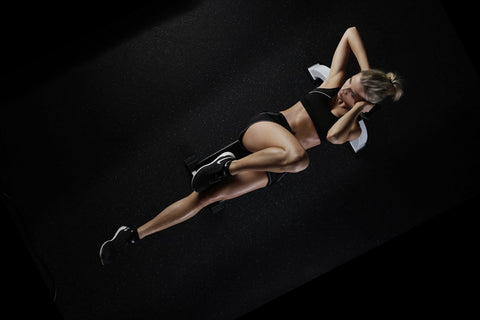

Have you decided to focus more on your leg training, but don't know where to start? Many people neglect this important muscle group, focusing more on their upper body. However, leg exercises not only improve your physical appearance, but also contribute to better overall health, providing strength, stability and balance.
In this article, you'll discover why it's essential to include leg exercises in your fitness routine, what are the most effective exercises you can do at home or at the gym, and how to adapt them to your specific goals. So, get ready to learn how you can get strong and toned legs, no matter your experience level!
Summary:
1. Build a solid base with bodyweight exercises
Squats, lunges, and hip raises are great starting points. They can be done at home, without equipment, and provide full lower body activation.
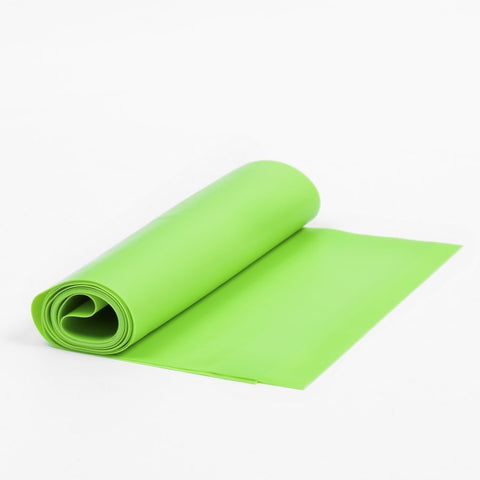
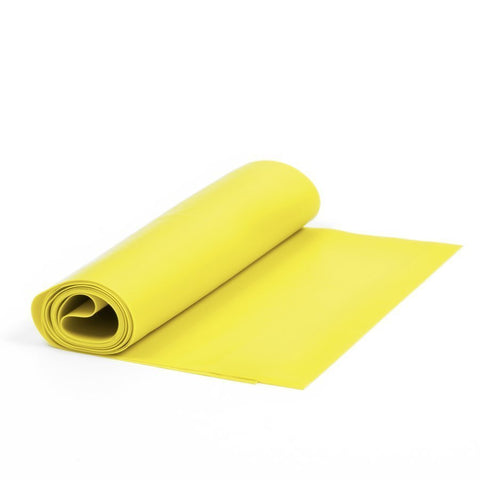
2. Progress gradually with dumbbells or elastic bands
Add progressive resistance with dumbbells, bands, or plyometric exercises. Maintain a clear workout structure: 3–4 sets, 10–15 reps, short breaks.
3. Don't ignore post-workout recovery and support
Stretching, foam rolling, and a balanced diet are essential for muscle regeneration. Include at least 48 hours between two intense sessions for the same muscle group.
Contents:
Why are leg exercises important in a fitness program?
What are the most effective leg exercises that can be done at home?
Here are some effective exercises for training legs at home:
How do you structure a complete workout?
What are the best exercises for toning thin and thick legs?
If you have thin legs and want more muscle mass:
If you have thick legs and want to slim them down:
How can you combine leg exercises with butt exercises in an effective workout?
Advanced leg exercises with weights
How can you adapt leg exercises based on gender and specific goals (weight loss, toning, remodeling)?
Workouts for women
Workouts for men
Weight loss and muscle definition
Tips for maximizing leg exercise results
1. Heating
2. Technique
3. Progression and variation
4. Recovery
5. Safety
Why are leg exercises important in a fitness program?

Leg exercises should be part of any serious workout routine. Why? Because your legs are home to some of the largest and strongest muscles in your body—and working them regularly has benefits that go far beyond your physical appearance.
A well-thought-out leg workout:
-
stimulates hormonal production;
-
accelerates metabolism;
-
helps burn calories even after you finish exercising.
Muscles like your quadriceps, hamstrings, glutes, and calves work together to give you strength, balance, and stability—all essential for everyday life. Plus, leg workouts also engage your core, improving coordination and posture.
If your goal is to lose weight, don't ignore these exercises. Because these large muscles burn more energy, they can help you create that calorie deficit essential for weight loss. And if you want to sustain your progress, don't forget that sports nutrition can also play an important role.
What are the most effective leg exercises that can be done at home?
You can train your legs at home just as effectively as you can at the gym, if you choose the right exercises and perform them correctly. In other words, bodyweight exercises are ideal for beginners and a great option for staying in shape.

Here are some effective exercises for training legs at home:
-
Classic squats
It works the quadriceps, hamstrings, and glutes.
▸ Advanced variants:
– Jump squats;
– Single-leg squats (pistol squat). -
Lunges in all directions
▸ Forward, backward and sideways – to activate different muscle groups. -
Peak climbs
▸ Ideal for toning calves. -
Hip thrusts
▸ Focus activation on the gluteal muscles. -
Wall seats
▸ Excellent for developing muscular endurance in the lower body. -
Squat jumps (plyometrics)
▸ Add extra intensity and cardio to your workout.
How do you structure a complete workout?
-
Choose 4–5 of the exercises above
-
Perform 3 sets of 12–15 repetitions each.
-
Rest between sets: 30–60 seconds , depending on your physical condition
Last but not least, if you need a boost of energy and focus, you can try a caffeine-free pre-workout before your workout. It supports your focus without aggressive stimulant effects.
What are the best exercises for toning thin and thick legs?

If you want to achieve visible results, it is recommended that you adapt your training depending on your goal - whether you want to slim your legs or tone and develop them.
If you have thin legs and want more muscle mass:
Focus on strength exercises that stimulate growth and definition:
-
Squats with dumbbells or barbell;
-
Lunges with weights;
-
Resistance barbell lifts (dumbbells, elastic bands);
-
Wall sits (held as long as possible) for endurance and muscle tone.
If you have thick legs and want to slim them down:
Prioritize fat burning through combined cardio and strength exercises:
-
Jump squats;
-
Lunges with jump;
-
Burpees;
-
HIIT (High Intensity Interval Training) workouts – short and intense combinations, ideal for accelerating metabolism.
Regardless of your body shape, results come through consistency, progression, and balance. Adjust volume and intensity according to your fitness level and pair your workouts with a diet tailored to your goals.
How can you combine leg exercises with butt exercises in an effective workout?

Training your legs and glutes simultaneously is one of the most effective ways to build muscle mass, improve functional strength, and achieve a toned lower body. These muscle groups are interconnected and involved in almost every movement – from climbing stairs to running or squatting.
Below, we have prepared some useful exercises for working your legs and glutes:
-
Sumo squats
The feet are positioned wider than shoulder width apart, with the toes pointing outwards. This type of squat activates the adductors and inner thighs, and also intensely demands the glutes during the extension phase. -
Side lunges
It works the outer thighs and glutes. The back remains straight, and the body weight is transferred to the leg that is flexed laterally. It is an excellent exercise for stability and control. -
Hip thrusts
They can be performed with both feet on the ground or unilaterally for added difficulty. The movement must be controlled, with voluntary contraction of the glutes in the upper position. Pausing for 2–3 seconds at the top or adding an elastic band increases muscle activation. -
Classic squats
A compound exercise that engages both the quadriceps and glutes. Keep your torso straight and your knees slightly apart in line with your toes for correct and efficient execution. -
Reverse lunges
They emphasize the glutes and hamstrings, while protecting the knee joints. They are performed alternately, with control and full amplitude.
However, if you want realistic results, you will need to keep in mind a training structure like this:
-
Classic squats – 3 sets x 15 repetitions;
-
Back lunges – 3x12 on each leg;
-
Sumo squats – 3x15;
-
Pelvic lifts – 3x20;
-
Lateral lunges – 3x10 on each side.
Repeat the circuit 2–3 times, with 60–90 second breaks between rounds.
Considering the effort put in, supporting muscle recovery is a priority, so a post-workout supplement can help with recovery and reduce the feeling of muscle fatigue.
Advanced leg exercises with weights
Once you've mastered bodyweight exercises, introducing dumbbells into your routine is a natural step to progress. The added resistance increases intensity and engages your leg muscles more deeply. Plus, dumbbells are easy to use and offer multiple options even for home workouts:
-
Goblet squat
This is a basic exercise, ideal for beginners. Hold a dumbbell with both hands at your chest and perform slow, controlled squats. It effectively works the thighs, glutes, and core, making it excellent for strengthening your posture. -
Dumbbell lunges
Whether you do them forward, backward, or sideways, these moves isolate each leg and improve balance. Hold a dumbbell in each hand and keep your core stable throughout the movement. -
Romanian straighteners
Targets the hamstrings and glutes. Hold dumbbells in front of thighs, back straight, and slowly lower until you feel tension in the back of your legs. Proper execution prevents injury and maximizes muscle activation. -
Lateral abductions
Use a dumbbell to add weight to the movement. Perform from a side position or standing, with the leg raised outward. The exercise emphasizes the hip area and helps to contour the outer thighs.
How can you adapt leg exercises based on gender and specific goals (weight loss, toning, remodeling)?

The structure of an effective lower body program takes into account the goal and physiological profile of the practitioner. Although the general principles of training remain valid for everyone, the strategy differs depending on gender and desired results.
Workouts for women
Muscle toning and definition predominate in most programs aimed at women. The emphasis is on high volume of work, with repetitions in the range of 15–20, using moderate weights. This results in stimulation of local circulation and activation of muscle fibers without obvious hypertrophy. Areas such as the inner and outer thighs are frequently worked, and the combination of strength training with cardio elements contributes to the reduction of the fat layer and improvement of tone.
Workouts for men
Increasing muscle mass and strength is the central objective for men. Progressive loads are used, with repetitions in the 6–12 range, focusing on compound movements: dumbbell squats, deadlifts, and lunges with increased resistance. Rest periods are longer, and the goal is to maximally recruit muscle fibers for structural development and performance.
Weight loss and muscle definition
Reducing body fat requires a combination of resistance training and high metabolic impact cardio methods. HIIT workouts, plyometric exercises and functional circuits are the most effective for accelerating fat burning and maintaining muscle mass. In parallel, integrating isolated exercises for key areas of the legs helps to reshape and harmoniously contour the lower segment.
Tips for maximizing leg exercise results

The effectiveness of a lower body workout is not just about performing the movements correctly. Long-term results depend on several essential factors: joint preparation, technique control, intensity management, accessories and equipment, and, last but not least, recovery.
1. Heating
Any effective workout starts with a 5–10 minute active warm-up. Movements like dynamic lunges, hip rotations, weightless squats, or light jumping jacks prepare your joints and increase muscle temperature. A good warm-up reduces the risk of injury and improves mobility when performing basic exercises.
At the same time, using a training mat with good grip provides joint comfort and support during dynamic warm-up phases or floor exercises.
2. Technique
The quality of a rep matters more than the load used. Focusing on control, full range, and conscious muscle recruitment targets real development, not just mechanical movement. In squats or lunges, keep your core stable, your knees in line with your toes, and control the downward phase.
For example, a training belt can be used in heavy sets to protect the lumbar area, especially in barbell squats or deadlifts.
3. Progression and variation
Muscles adapt quickly to routines. To avoid stagnation, gradually increase volume: add reps, shorten breaks, or add extra weight. Also, periodically alternate exercises – combine bilateral and unilateral movements, include plyometric exercises or variations with elastic bands.
4. Recovery
Muscle growth occurs during rest. The recovery interval for legs should be at least 48 hours between two demanding workouts. During this time, quality sleep, constant hydration and a balanced diet play a major role in tissue repair.
Tips: A light post-workout stretching session reduces stiffness and speeds up recovery. At the same time, using a foam roller or massage ball improves circulation and releases myofascial tension.
5. Safety
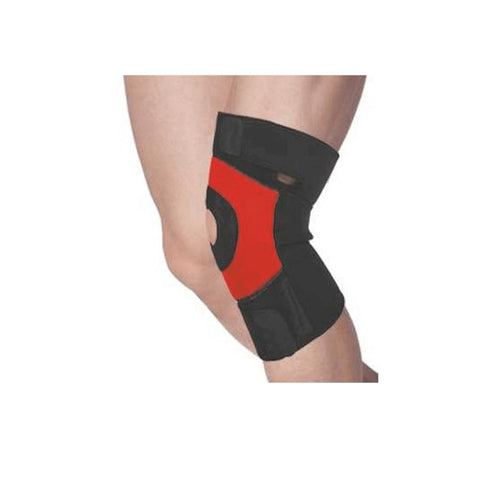
Muscle discomfort is normal, but acute pain should not be ignored. Respect your own limits and avoid overexerting your joints. Use appropriate equipment – supportive shoes, non-slip mats and, if necessary, knee or ankle supports.
In conclusion, results occur when leg training is intelligently tailored – both to the goal and to the individual characteristics. The correct selection of the type of stimulus, volume control and balance between intensity and recovery are essential factors in achieving progress.
Photo source: Pexels.com.