
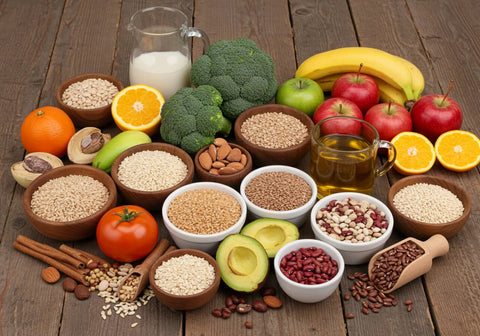

Carbohydrates are a primary source of energy for the body and are part of the essential macronutrient category. Chemically, they are composed of carbon, hydrogen, and oxygen, and their structure can be simple, as in the case of glucose, or more complex, such as starch. In general, carbohydrates are divided into two groups: simple (such as sugar) and complex (such as whole grains, legumes, or high-fiber vegetables).
The type of carbohydrates we consume influences our energy levels, digestion, and even our overall health. In this article, we'll talk about the types of carbohydrates, what foods they come from, which ones are best and which ones should be eaten in moderation. We'll also look at how carbohydrate consumption relates to metabolism and daily nutritional balance.
What are carbohydrates, what role do they play and what foods are they found in?

Carbohydrates are an essential macronutrient in the diet, with their main function being to provide the energy needed for physiological processes. Along with proteins and lipids, carbohydrates are one of the three major sources of energy for the body. They are rapidly metabolized into glucose, the main form of fuel for the brain, muscles, and other tissues with high metabolic activity.
From a physiological point of view, carbohydrates perform several important functions:
– Provides the basic energy substrate for the central nervous system and muscle cells.
– Contributes to the regulation of glycemic homeostasis by maintaining a stable blood glucose level.
– They have a protein-saving role, preventing their use for energy purposes and allowing their use in anabolic processes, such as tissue protein synthesis.
– They support digestive health through the intake of dietary fiber, which contributes to intestinal motility and microbiota balance.
Food sources of carbohydrates include a variety of plant and animal products. Whole grains and derived products (bread, pasta, rice) provide complex carbohydrates and fiber. Starchy vegetables (potatoes, carrots, corn) contribute to energy and micronutrient intake. Fruits provide natural sugars (fructose, glucose), as well as soluble and insoluble fiber. Legumes (beans, lentils, chickpeas) are rich in resistant starch and fiber with metabolic and digestive benefits. Dairy products also contain lactose, a disaccharide with an energetic role, especially in the diet of children and adolescents.
Types of carbohydrates: simple and complex
To better understand the role of carbohydrates in the diet, it is important to distinguish between simple and complex carbohydrates. Thus, a classification of carbohydrates is based on their chemical structure and the way they are processed by the body.
Simple carbohydrates, also called fast-absorbing carbohydrates, are composed of one or two sugar units, which allows them to be digested and absorbed very easily. This category includes:
– Monosaccharides : glucose, fructose, galactose;
– Disaccharides : sucrose (table sugar), lactose (from milk), maltose.
Common sources of simple carbohydrates include fruits and fruit juices, milk and dairy products, refined sugar, sweets, honey and syrups. These types of carbohydrates cause rapid increases in blood sugar, being useful in some situations, but consumed in excess can promote metabolic imbalances.
Complex carbohydrates, on the other hand, have a structure made up of longer chains of sugar molecules and are absorbed more slowly, providing longer-term energy. These include:
– Starch : present in cereals, vegetables and legumes;
– Dietary fiber : found in fruits, vegetables, legumes and whole grains.
The best sources of complex carbohydrates include oats, quinoa, brown rice, starchy vegetables like potatoes and squash, and legumes like beans and lentils. Due to their slow digestion, these carbohydrates help maintain stable blood sugar levels and provide a steady release of energy.
What are the healthiest food sources rich in carbohydrates?

Food choices have a direct impact on the quality of carbohydrates in your diet. Sources rich in fiber, vitamins, and minerals help maintain steady energy levels and support overall health, unlike simple sugars, which can cause glycemic fluctuations and negative metabolic effects when consumed in excess.
Whole grains like oats, quinoa, buckwheat, and brown rice provide complex carbohydrates along with essential nutrients like B vitamins, iron, and magnesium. These contribute to digestion, glycemic balance, and long-term satiety.
Legumes – lentils, beans, chickpeas – provide a consistent intake of complex carbohydrates and dietary fiber, as well as vegetable protein. They are an excellent choice for both vegetarian diets and the balanced diet of anyone wishing to reduce meat consumption.
Fruits provide a beneficial mix of natural sugars, fiber, and antioxidants. Although they contain simple carbohydrates, they are accompanied by bioactive compounds that support cellular health. Apples, berries, and citrus fruits are nutritious options that are easy to integrate into your daily menu.
Starchy vegetables – such as sweet potatoes, carrots or pumpkin – are a good source of complex carbohydrates and micronutrients such as beta-carotene and vitamin C. They complement meals with quality energy and high nutritional value.
Nuts and seeds, although known primarily for their fat content, also provide moderate amounts of carbohydrates, along with fiber and protein. They can be integrated into snacks or added to salads for added consistency and balance.
Including these foods, along with original carbohydrate supplements, in your daily diet contributes to an optimal intake of complex carbohydrates, supporting both physical performance and long-term health.
Bad Carb List: Carb-Rich Foods to Avoid

Although carbohydrates are essential for a balanced diet, not all sources of carbohydrates are beneficial to the body. Products containing refined or highly processed carbohydrates should be consumed in moderation, as they are low in fiber and nutrients and can negatively affect metabolic health.
Refined sugar and products with added sugar – such as carbonated drinks, packaged sweets or pastries – provide empty calories, which can lead to blood sugar fluctuations, weight gain and an increased risk of type 2 diabetes, especially with constant consumption.
White flour products, such as white bread, refined pasta, and white pizza crusts, have a high glycemic index and contribute to a rapid rise in blood sugar levels. They are stripped of fiber and micronutrients during the refining process, which reduces their nutritional value.
Processed snacks—chips, chips, pretzels—are often high in simple carbohydrates and added fat, but low in fiber and protein. Such foods can promote compulsive eating and excessive calorie intake.
Fried foods, such as French fries or other fast food products, combine refined carbohydrates with trans or saturated fats, increasing the risk of cardiovascular disease and metabolic imbalances.
Another ingredient commonly found in processed foods is high-fructose corn syrup, which can negatively impact insulin sensitivity and contribute to visceral fat accumulation.
Therefore, reducing the frequency of consumption of these foods, in favor of whole and minimally processed options, helps stabilize blood sugar levels, maintain a healthy weight and reduce the risks associated with chronic diseases. Conscious food choices have a significant long-term impact on overall health.
What are the vegetables and fruits with the highest carbohydrate content?

Although vegetables and fruits are generally essential components of a balanced diet, it is useful to consider their carbohydrate content, especially in the context of carbohydrate-controlled diets (such as diabetes diets or low-carb diets).
There are certain vegetables that are higher in starch, which means they are more caloric and carbohydrate dense. Potatoes, sweet potatoes, corn and beets are common examples – they provide quick energy, but also carbohydrates that can have a more pronounced impact on blood sugar. For example, 100 grams of potatoes contain approximately 17g of carbohydrates, while the same amount of sweet potatoes goes up to 20g. Carrots, corn and pumpkin have more moderate values, but they should be considered especially in the context of portions.
In the case of fruits, the content of natural sugars (fructose, glucose) varies. Bananas, grapes, mangoes and pears are among the highest in carbohydrates – with values between 14g and 23g per 100g. However, these fruits are also valuable sources of nutrients, including fiber, potassium, vitamin C and antioxidants.
It is important to emphasize that dietary fiber in vegetables and fruits plays an essential role in regulating the glycemic response. By slowing down the digestion and absorption of carbohydrates, fiber helps maintain a stable blood glucose level and increases the feeling of satiety. Therefore, even if some plant foods have a higher carbohydrate content, their nutritional benefits justify their integration into the diet, paying attention to the quantity and metabolic context of each individual.
The right choice does not mean elimination, but adjustment according to needs, activity level and individual health goals.
The role of carbohydrates in the daily diet and of performance athletes + Examples of healthy carbohydrate foods
Carbohydrates are the body's primary source of energy, being essential for supporting vital functions such as brain activity, muscle contraction and maintaining metabolic balance. In the context of a balanced diet, they should cover between 45 and 65% of the total daily caloric intake. Therefore, for a diet of approximately 2000 kcal, this corresponds to a consumption of between 225 and 325 grams of carbohydrates.
In the case of active people or athletes, energy requirements increase, and the carbohydrate requirement is adjusted accordingly. Depending on the volume and intensity of training, an intake of 5–12 grams of carbohydrates per kilogram of body weight per day is recommended. This level contributes to the efficient restoration of glycogen reserves and supports physical performance in repeated or long-term efforts.
On the other hand, in a sports context or during periods with increased energy recovery needs, carbohydrates in powder form can represent an effective option, especially when original supplements are used, specially formulated for rapid absorption and optimal digestive tolerance.

Structuring your daily meals according to your energy needs allows for gradual absorption of carbohydrates and maintains a stable blood sugar level. In the morning, a serving of oats with berries and nuts provides slow energy and essential nutrients. At lunch, a combination of quinoa with baked vegetables and grilled chicken provides complex carbohydrates, fiber and quality protein. Towards the evening, a meal based on salmon with sweet potatoes and broccoli contributes to restoring energy reserves and easier digestion.
Between meals, snacks play an important role in maintaining energy levels and preventing glycemic imbalances. A banana with almond butter or Greek yogurt combined with fruit and granola with no added sugar are balanced options that support both satiety and nutritious carbohydrate intake.
Summarizing the information above, by choosing the right sources and distributing them appropriately throughout the day, carbohydrates can effectively contribute to maintaining well-being and supporting daily performance, whether it is regular activities or intense physical exertion.
How does carbohydrate intake influence glycemic index and glycemic load?

Glycemic index (GI) and glycemic load (GL) are two parameters used in clinical nutrition to assess the impact of carbohydrate foods on postprandial glycemia. Both are relevant in the dietary management of patients with diabetes, insulin resistance, or metabolic syndrome.
The glycemic index quantifies the rate of increase in blood glucose concentration after ingestion of a carbohydrate-containing food, relative to a reference food (pure glucose, with GI = 100). Low values (below 55) indicate slow absorption of carbohydrates and a moderate increase in blood glucose, which gives them a more favorable metabolic profile. Examples of low-GI foods include legumes, most fresh fruits, low-starch vegetables, and whole grains.
The glycemic load provides a more realistic estimate of the effect of a food on the glycemic response, as it takes into account both the GI value and the amount of carbohydrates per standard serving. The calculation formula is: (GI x amount of carbohydrates available in the portion consumed) / 100 . Low CG (below 10) is associated with a minimal glycemic response, while values above 20 can induce significant variations in blood glucose.
Here are some comparative examples:
-
White rice: GI 73 / CG 35 (for 150g);
-
Brown rice: GI 68 / CG 16;
-
Apple: GI 36 / CG 6;
-
Banana: GI 51 / CG 13;
-
Boiled lentils: GI 32 / CG 5.
Predominant consumption of foods with low GI and CG contributes to stabilizing glycemic values, optimizes appetite control and may have a beneficial effect on body composition and insulin sensitivity, especially in the context of therapeutic diets.

In conclusion, carbohydrates are the main source of energy for cellular metabolism, being indispensable for central nervous system functions and muscle contraction. Food sources with high nutritional density, such as complex carbohydrates and dietary fiber, support glycemic homeostasis and reduce the risk of metabolic dysfunction.
Limiting the intake of simple sugars and refined carbohydrates is recommended in the prevention of pathologies associated with metabolic syndrome. Moreover, the carbohydrate prescription should be adapted to the metabolic profile, weight status and level of physical activity, in order to optimize physiological function and long-term health.
References:
1. Ludwig DS, et al. (2018). Dietary carbohydrates: role of quality and quantity in chronic disease. BMJ. https://www.bmj.com/content/361/bmj.k2340;
2. Slavin J, Carlson J. (2014). Carbohydrates. Adv Nutr;
3. Burke LM, et al. (2011). Carbohydrates for training and competition. J Sports Sci. https://www.tandfonline.com/doi/full/10.1080/02640414.2011.585473;
4. Venn BJ, Green TJ. (2007). Glycemic index and glycemic load: measurement issues and their effect on diet-disease relationships. Eur J Clin Nutr. https://www.nature.com/articles/1602942;
5. Cummings JH, Stephen AM. (2007). Carbohydrate terminology and classification. Eur J Clin Nutr. https://www.nature.com/articles/1602936;
6. Ferretti F, Mariani M. (2017). Simple vs. Complex Carbohydrate Dietary Patterns and the Global Overweight and Obesity Pandemic. Int J Environ Res Public Health. https://www.mdpi.com/1660-4601/14/10/1174.
Photo source: Shutterstock.com.