
Strong calves are not only an aesthetic asset, but also the foundation of your daily mobility and athletic performance. Calf exercises help you run faster, jump higher and feel better every day, and leg training can be done effectively even at home with minimal equipment.
-
🦵 Strong calves, balanced body : Calf exercises improve mobility, balance and performance. The main muscles – the gastrocnemius and the soleus – need to be worked differently for harmonious development.
-
🏋️♀️ Effective home workout : Toe raises, lunges, and band exercises strengthen your calves even without the gym. Includes stretching and roller massage for relaxation and pain prevention.
-
🥤 Progress through consistency and nutrition : Train your calves 2–3 times a week, gradually increase the intensity and maintain correct technique. A balanced diet and sports nutrition support recovery and visible results over time.
🦵Anatomy of the calf muscles
To effectively train this area, it is important to know its structure. The calf is made up of two main muscles:
-
The visible and bulky gastrocnemius has two heads – medial and lateral – and is especially active in exercises that involve the knee extended. It helps you run, jump, and push off the ground powerfully.
-
The soleus, located under the gastrocnemius, contributes to the thickness of the calf and works when the knees are slightly bent, being involved in walking and maintaining balance.
Knowing these differences helps you choose the right exercises and achieve harmonious muscle development.
🏋️♀️Leg exercises at home - minimal equipment
🧘♀️ How to train your legs effectively at home
You don't need a gym to get an effective workout. A few simple workout accessories can turn any corner of your home into a fitness space.
🧎♂️Simple exercises for leg training at home
-
Toe raises – performed on the floor or on a step, help develop both the gastrocnemius and the soleus.
-
Seated toe raises – ideal for isolating the soleus muscle.
-
Supported lunges – work the calves, thighs and help with stability.
-
Resistance band exercises – perfect for adding resistance. You can choose from a collection of fitness bands to suit your level.
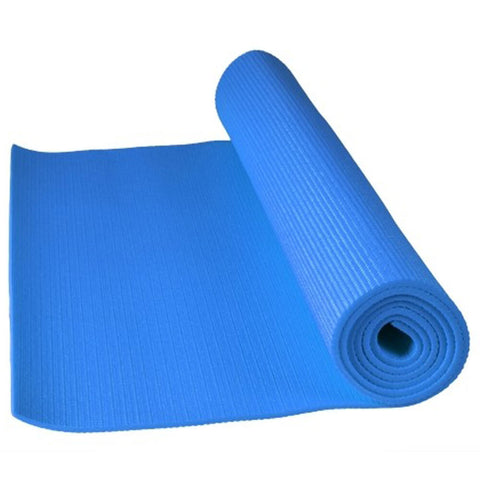
If you want more comfort during floor exercises, a training mat is an essential accessory.
🧘Exercises for painful calves and recovery
❤️ How to reduce tension and prevent injuries
When your calves hurt, you need to be more mindful and focus on mobility and recovery. Stretching is important to stay flexible and reduce muscle tension. Don't ignore the pain, but don't give up on your training either.
🧍♂️Recovery exercises for calves
Classic Stretch : This is done by leaning your hands against a wall and extending one leg back, with your heel on the ground. For the soleus muscle, repeat the exercise with the knee of the back leg slightly bent. Hold each position for 20-30 seconds.
Light toe raises : Done slowly and in a controlled manner, they can help with circulation and reduce stiffness. Avoid sudden movements or heavy lifting when you're in pain. Listen to your body and adjust your exercises based on how you feel.
Roller massage : Massaging with a foam roller or your hands can help relax tense muscles. Apply moderate pressure and move the roller from the ankle to the knee, focusing on sensitive areas.
⚖️Leg toning exercises for men and women
👨🦱 Men's workout
Men generally aim to increase muscle mass and strength. For this goal:
-
Higher weights and a lower number of repetitions are recommended.
-
Compound exercises, such as squats or dumbbell lunges, stimulate both the calves and thighs.
👩🦰 Women's workout
Women usually prefer to define and tone their muscles. To achieve a slim and firm appearance:
-
Moderate weights and higher repetitions are used.
-
Plyometric exercises, such as jumping jacks, improve endurance and shape muscles.
🥦 Food and sports nutrition
Proper nutrition supports muscle growth and repair. Sports nutrition products – protein shakes, energy bars or natural supplements – can accelerate the achievement of goals and improve recovery after training.
💡 Execution and variety – the key to progress
Regardless of gender, proper technique is essential to avoid injury and maximize results. Vary your exercises periodically:
-
Straight knee exercises activate the gastrocnemius muscle.
-
Exercises with bent knees emphasize the soleus muscle.
🔁Calf training - frequency and progression
📅How often should you train your calves?
Calves recover faster than other muscle groups, as they are used constantly. You can train them 2-3 times a week. Listen to your body and adjust the frequency depending on how you feel.
❤️🔥How to progress in intensity
To make constant progress:
-
Gradually increase the number of repetitions or add light weights.
-
Alternate exercises to avoid muscle adaptation.
-
Focus on technique – every movement must be controlled and precise.
Progress does not come overnight, but through consistency and correct execution.
💡How to maintain your motivation and get results
Lasting results come from consistency and patience. If you understand how your muscles work and adapt your routine gradually, you'll see significant improvements in your strength, balance, and the appearance of your legs. Don't be discouraged if progress seems slow—every rep counts.
You can maintain motivation by:
-
Setting realistic goals.
-
Tracking progress over time.
-
Reward after each milestone reached.
Strong calves don't happen overnight, but with perseverance, proper training, and the right equipment, results will surely come.
Calf training is an investment in stability, strength, and physical appearance. Whether you want to run faster, improve your posture, or shape your legs, these exercises can be successfully done at home using simple equipment and proper nutrition.
Photo source: Freepik.com.