
Have you noticed the feeling of swelling or heaviness that occurs after longer periods of inactivity? Water retention is a common phenomenon, influenced by a sedentary lifestyle and poor circulation. Regular exercise can help reduce discomfort and improve daily comfort.
-
💧 Regular exercise stimulates blood and lymph circulation , helping the body eliminate excess fluids and reduce daily discomfort.
-
🦵 Water retention frequently occurs in the legs , where muscle activation supports natural drainage and a feeling of relief.
-
🏃 Light exercises, strength and stretching complement each other harmoniously , contributing to the mobilization of fluids and relaxation of the entire body.
-
⏱️ Constant movement, integrated into your daily routine, is more effective and easier to maintain than intense effort done occasionally.
-
🌿 Recovery, breathing and adapted nutrition support the effects of movement , contributing to balance, comfort and general well-being.
🧠 What is water retention and how does it manifest itself?
💧 What does water retention mean?
Water retention occurs when the body retains more fluids than it needs, and these accumulate in the tissues. The phenomenon is often influenced by a sedentary lifestyle, prolonged sitting in the same position, and poor circulation, especially in the lower limbs.
Water retention occurs most often in:
-
feet and ankles;
-
calves;
-
hands and face.
👀 Common signs and associated sensations
The accumulation of excess fluids manifests itself through unpleasant sensations, which can vary from mild to persistent, depending on lifestyle and activity level.
The most common signs include:
-
visible swelling in the affected areas;
-
feeling of heaviness or tension;
-
rapid fluctuations in body weight;
-
increased discomfort towards the end of the day.
In mild forms, regular exercise and avoiding long periods of inactivity can help reduce symptoms and improve daily comfort.
💪 Exercises that help reduce water retention
🦵 Why exercise helps eliminate excess fluids
Movement activates muscles and stimulates blood and lymph circulation. The contraction and relaxation of muscles acts as a natural pump, helping to direct accumulated fluids back into circulation.
For active people, a sustained exercise routine helps the body function more efficiently and eliminate excess fluids more easily. At the same time, sports nutrition adapted to the effort can support recovery and maintenance of water balance.
🏃 Easy exercises to activate circulation
These moves are great for beginners or for days when you need a gentle body workout. They help stimulate circulation, especially in the legs, where water retention most commonly occurs:
-
walking at a brisk pace, adapted to your comfort level;
-
peak lifts, performed in several series, with short breaks;
-
ankle flexions and rotations, performed slowly and in a controlled manner;
-
climbing stairs, at a steady and relaxed pace.
These exercises can be easily integrated into your daily routine and do not require special equipment.
🏋️ Strength and toning exercises
Strength exercises support circulation by activating large muscles:
-
squats;
-
lunges;
-
pool lifts (bridge).
Certain workout accessories can provide stability and comfort during at-home workouts. For example, you can use resistance bands , which add light resistance without putting too much strain on your joints.
🧘 Stretching exercises and relaxing positions
Stretching helps release tension and mobilize fluids:
-
stretches for calves and thighs;
-
position your feet on the wall;
-
lateral trunk stretching.
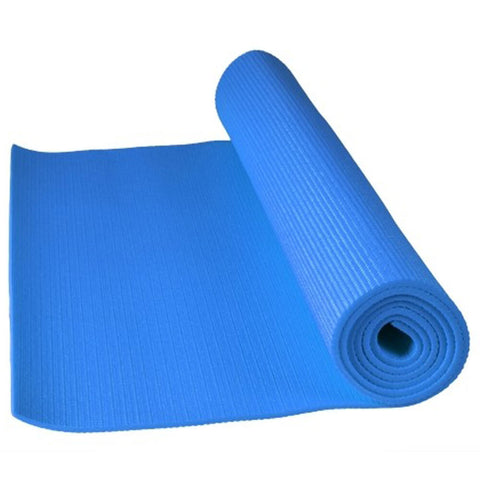
For exercises performed on the ground, using training mats provides comfort and protection, especially during longer sessions.
⏱️ How often to exercise
A moderate exercise routine, practiced a few times a week, is enough to support circulation and reduce the feeling of swelling. Consistency is more important than intensity, especially in managing water retention.
🧘 Yoga and gentle movements to support drainage
🔄 Positions that support lymphatic drainage
Yoga poses that involve leg raises or gentle inversions can help flush out fluids and relax the body, making them perfect for even the busiest days.
🌬️ Breathing and relaxation
Deep breathing helps reduce stress, a factor that can influence water retention. Slow inhalations and controlled exhalations support the body's overall balance.
In conclusion, exercise is a natural and effective solution for managing water retention. When practiced consistently, movement helps reduce the feeling of swelling, improves circulation, and contributes to daily comfort.
Warning! If water retention is persistent, severe or accompanied by pain, it is recommended to consult a doctor or specialist. The exercises presented are suitable for mild forms and for maintaining daily comfort, they do not replace a medical consultation.
References:
-
Cleveland Clinic - "Edema" - https://my.clevelandclinic.org/health/diseases/12564-edema
-
NHS (UK) - “Swollen ankles, feet and legs (oedema)” - https://www.nhs.uk/conditions/oedema/
-
Medical News Today - "Best stretches and exercises for healthy feet" - https://www.medicalnewstoday.com/articles/320964
Photo source: Freepik.com.