
Stretching is an essential component of a healthy and active lifestyle that helps you move more easily, prevent injuries and feel better about yourself. By stretching, you increase your flexibility, improve your range of motion and help your musculoskeletal system function properly.
In this article, you will discover the types of stretching, their benefits, and how to properly integrate them into your daily routine. You will learn simple but effective exercises that you can do at home or at the gym, adapted for all levels of experience.
Summary:
-
Stretching contributes to muscle and joint health , improving flexibility, circulation and overall body mobility.
-
There are two main forms of stretching - static and dynamic, each having a different role before and after training.
-
A consistent stretching routine helps with recovery, prevents injuries and, in addition, supports physical performance and daily well-being.
Contents:
-
What is stretching and how does it help you before and after training?
-
Types of stretching - when to use static stretching and when to use dynamic stretching
-
Stretching for different parts of the body - ideas for general flexibility
-
Stretching before and after training - benefits and important differences
What is stretching and how does it help you before and after training?
Stretching is more than just a relaxation activity; it is an essential practice for the health of your muscles and joints. Through stretching exercises, you increase your flexibility, improve your range of motion, and help your musculoskeletal system function properly.

The health benefits of stretching
-
Improved flexibility: Stretching helps maintain muscle elasticity and increase joint range of motion, supporting overall body mobility.
-
Reducing the risk of injuries: A flexible body responds better to effort, and properly prepared joints are less exposed to stress and strain.
-
Improved physical performance: Better flexibility supports coordination and efficiency of movements, contributing to correct execution in physical activities.
-
Better blood circulation: Gently stretching the muscles promotes blood flow, supporting regeneration and relaxation after exercise.
-
Ease in daily movements: Regular stretching makes your daily movements more fluid and comfortable, helping you feel freer in your own body.
Practiced constantly, stretching becomes a beneficial routine for both physical performance and general well-being, providing a moment of reconnection between body and mind.
Types of stretching - when to use static stretching and when to use dynamic stretching
There are several types of stretching techniques - including dynamic, static, ballistic, passive, active and PNF (proprioceptive neuromuscular facilitation).

However, the most used and suitable for the daily training routine are static stretching and dynamic stretching, each with its well-defined role.
-
Static stretching - involves maintaining a comfortable stretching position for approximately 10-30 seconds. It is recommended after training, when the muscles are warmed up, as it contributes to relaxation, recovery and improved flexibility in the long term.
-
Examples: held positions for relaxation, slow and controlled stretches.
-
-
Dynamic stretching - includes active, fluid movements that stretch the muscles without holding the final position. This type of stretching is ideal before a workout because it helps activate the muscles, stimulates circulation, and prepares the body for exertion.
-
Examples: leg swings, arm rotations, lunges in motion.
-
Used correctly, the two types complement each other perfectly: dynamic stretching prepares the body for activity, and static stretching supports relaxation and recovery after exercise.
Stretching exercises for beginners - how to start correctly
Starting a stretching routine may seem daunting, but with the right approach, even beginners can achieve great results. The most important thing to understand is that stretching shouldn't hurt - a slight stretch sensation is a sign that you're doing it right.

How to prepare for stretching
-
Make sure you warm up your body a little with a 5-10 minute walk or some simple movements.
-
Don't stretch on cold muscles, because you risk getting injured.
-
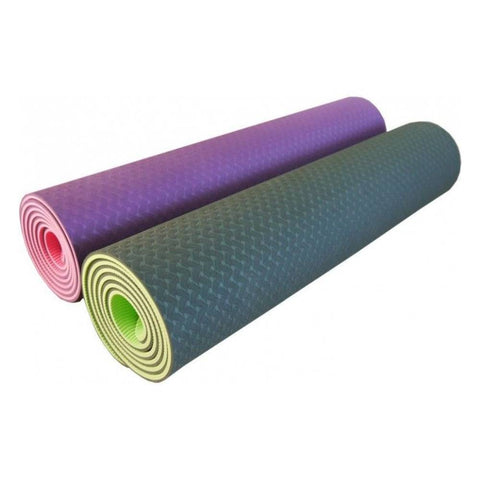
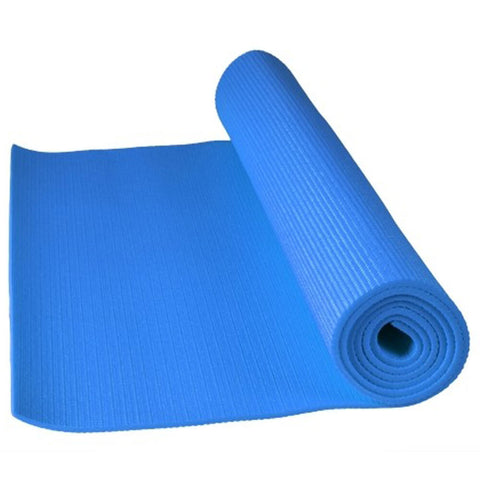
Prepare a mat for floor exercises.
Stretching exercises for beginners
-
Calf Stretch: Stand in front of a wall, with one leg behind you and gently push your hips forward, keeping your heel on the ground.
-
Hamstring Stretch: Sit on the floor with your legs straight and slowly lean forward, trying to touch your toes.
-
Quadriceps stretch: Grab your leg by the ankle and pull it toward your buttocks, keeping your knees close together.
Correct breathing technique
Breathing is very important for stretching to be effective. Breathe deeply and steadily, using your exhales to help you relax into the position. Don't hold your breath, as this can increase muscle tension and reduce the benefits of the exercise.
Hold each position for 15-30 seconds and repeat each exercise 2-3 times. As you become more flexible, you can increase the duration and intensity of the exercises.
Stretching for different parts of the body - ideas for general flexibility
To become flexible, you need to work all the major muscle groups. In addition to basic exercises, you can use various accessories to help you improve your flexibility.

Stretching exercises for the legs
-
Hip Stretch: Sit on the floor with your feet together and pull your heels as close to your body as possible, then gently press your elbows on your knees,
-
Groin Stretch: This exercise improves hip mobility and reduces tension in the groin area.
To intensify certain stretches or to help you progress, you can also explore the range of elastic bands .
Upper body exercises
-
Shoulder stretch: Bring one arm across your body and pull it towards you with the other arm.
-
Back Stretch: Get on your knees and lean forward, extending your arms in front of you - this position relaxes your back muscles and reduces tension.
Neck exercises
Your neck needs special attention, especially today. Tilt your head towards your shoulder and hold the position, then repeat on both sides. This simple exercise can prevent neck pain and improve posture. Do neck exercises carefully, without sudden movements or full head rotations.
Stretching before and after training - benefits and important differences
The timing of your stretching influences the benefits you get. Stretching before a workout prepares your body for exertion, while stretching after a workout helps with recovery and relaxation.

Stretching before training
-
Increases body temperature: Dynamic stretching increases your body temperature and activates the nervous system.
-
Improves coordination: Dynamic movements prepare your joints for the movements you will make during your workout.
-
Reduces the risk of injuries: You will have a better performance and be less likely to get injured .
To support your effort and optimize your results, you can also consider using various sports nutrition products.
Stretching after training
-
Improved flexibility: Muscles are warmed up and stretch more easily, which helps you become more flexible.
-
Accelerated recovery: Static stretching reduces muscle tension and aids recovery.
-
Prevents stiffness: It can prevent next-day muscle stiffness .
The main difference is the type of stretching you use and what you want to achieve. Before training: dynamic stretching for activation and preparation. After training: static stretching for relaxation and recovery.
In conclusion, stretching is not just an addition to your workouts, but a vital component of a healthy lifestyle. Make time for a few minutes of stretching every day, even on days when you don't exercise. You will notice a significant improvement in your flexibility, posture, and overall well-being.
Start with simple exercises and gradually increase the intensity and duration. Listen to your body and never force a movement. With patience and perseverance, you will discover the incredible benefits of stretching and turn this practice into a long-term healthy habit.
References:
-
Mayo Clinic - Stretching: Focus on flexibility
https://www.mayoclinic.org/healthy-lifestyle/fitness/in-depth/stretching/art-20047931
-
Harvard Health - The importance of stretching
https://www.health.harvard.edu/staying-healthy/the-importance-of-stretching
-
Healthline - 9 Benefits of Stretching
https://www.healthline.com/health/benefits-of-stretching
Photo source: Freepik.com.