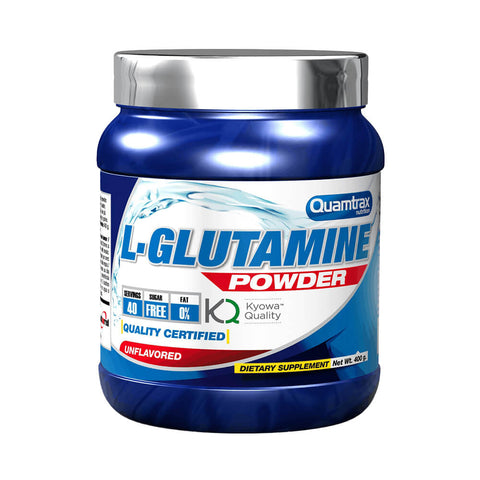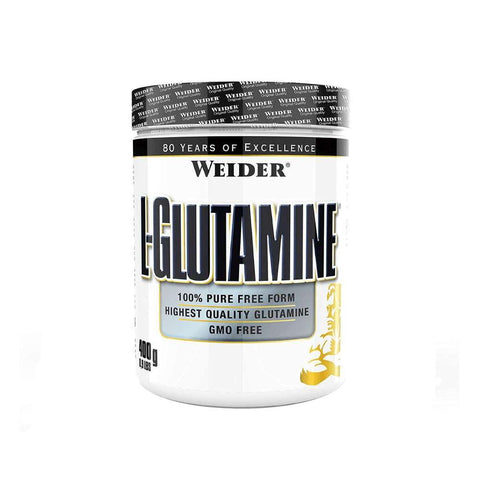


Glutamine is one of the most popular amino acids in the sports world, playing an important role in muscle recovery and supporting the immune system. But when is the right time to take it? Let's see exactly when and how to take glutamine, for optimal results!
-
🧠Glutamine is an essential amino acid for muscle recovery, immune support and digestive balance, and the timing of its administration influences the effectiveness of supplementation;
-
💤Studies show that the effectiveness of glutamine increases after training, but also when taken in the morning on an empty stomach or before bed;
-
⌚The duration of administration depends on the objectives and the state of the body, such as periods of intense effort or chronic stress;
-
🍗Glutamine can be effectively combined with proteins or supplements containing BCAAs to fully support performance and recovery.
📆When is glutamine administration recommended?
🤸After intense training
Glutamine is recommended immediately after exercise to speed up recovery and reduce muscle soreness. Doses range from 5 to 10 grams, and this administration helps restore glutamine stores consumed during training.
🦠To support the immune system
During periods of increased stress or recovery, glutamine can be administered for 7-14 days to support immune function. During this time, the body needs additional nutrients for recovery and proper hydration and avoidance of stress are recommended.
🥗In short cures for digestive health
Glutamine can be a powerful ally for the integrity of the intestinal mucosa, which is why it is used in 10-14 day treatments when digestive problems occur. It contributes to healing the mucosa and reducing inflammation. During the treatment, a balanced diet rich in soluble fiber, protein, steamed vegetables and anti-inflammatory foods is recommended.
🥱In situations of chronic fatigue
Glutamine can be used short-term, up to 2 weeks, to support energy and combat fatigue. In this case, doses are moderate and can be divided throughout the day.
💪To prevent muscle loss
People who are in periods of immobilization or convalescence can take glutamine in short courses of up to 14 days. This amino acid helps maintain muscle mass and reduce catabolism. The doses are established depending on the general condition and body weight.
⛹️♀️To support high-performance athletes
Glutamine can be taken daily for periods of 1-3 months to support muscle recovery and growth. In this context, it is important to respect the dosage and combine it with a diet rich in protein. Regular breaks are recommended to avoid the body adapting.
🕐 What is the ideal time to take glutamine?
🏊 After intense effort
After a strenuous workout, the body's glutamine reserves are suddenly depleted. Supplementing immediately, ideally within 30 minutes after exercise, helps to repair muscle and prevent muscle breakdown. It is recommended to mix glutamine powder with water or in a post-workout protein shake.
🌙 Before bed for nighttime regeneration
The body repairs itself the most during sleep, and glutamine supports this process. Taking it in the evening, 30-60 minutes before bed, helps regenerate tissues and maintain metabolic balance during the night. The supplement is ideal especially during periods of stress or frequent training, when the need for recovery is increased.
☀️In the morning on an empty stomach for general support
Studies show that glutamine taken on an empty stomach with warm water helps detoxify, supports intestinal health, and prepares the body for the day ahead. It is an excellent choice especially in digestive rebalancing diets or after a period of unbalanced nutrition.
🍽️ Between meals, in case of muscle weakness
In certain medical situations or after surgery, when nutrition is reduced, glutamine between meals can support recovery and prevent muscle loss. The ideal time is 2 hours after a meal or 1 hour before the next one, to avoid interference with the absorption of other nutrients.
🧘♂️ During intermittent fasting
For those who practice fasting, glutamine can be a useful trick to reduce hunger and maintain stable blood sugar. Although it does not break the fast, it is advisable to take it in its purest form for optimal results.
When to take glutamine in sports and fitness
🏋️♀️ During muscle growth
When the goal is muscle mass, glutamine supports protein synthesis and reduces catabolism. It is usually administered post-workout and before bed. In fact, the effectiveness is increased when combined with a balanced diet and adequate protein intake.
🍳 In calorie deficit diets
In weight loss diets, the risk of muscle loss is increased. Glutamine helps preserve muscle, even in a calorie deficit. It can be taken in combination with BCAA or creatine for more stable results.
🚴♀️ When workouts get really intense
Athletes who train daily or double-train may experience immune system depletion. Glutamine supplementation reduces the risk of respiratory infections and supports exercise capacity. In this case, small, daily doses are recommended, as they are more effective than short, intense bouts.
⏸️ During injuries or breaks
When sprains, strains, or other injuries occur, muscles begin to lose mass rapidly. Glutamine can slow this process and support tissue regeneration. In addition, the supplement can be taken even in the absence of physical exertion.
📊 What is the recommended dosage?
⚖️ Depending on body weight
The standard dose varies between 0.1 and 0.3 g/kg body weight/day. For a 70 kg person, this means between 7 and 20 grams daily. It is divided into 2-3 doses for better absorption.
🍎 Depending on the diet
If you have a diet rich in animal protein, your glutamine needs may be lower. Vegetarians or those on low-calorie diets often need supplementation. It is important to monitor your body's response and not just your overall values.
🧬 Depending on health status
People with chronic intestinal problems, frequent infections or in medical recovery may need higher doses. In these cases, medical consultation is essential. Supplementation must be adapted and monitored.
💊 Combination with other supplements
Glutamine works well with protein, collagen , BCAAs, and probiotics. However, in this case, the timing of each must be respected, so as not to interfere with absorption. Avoid combining with acidic supplements, such as vitamin C.
As a result, the timing of your glutamine intake directly influences how your body responds and recovers. Pay attention to your own rhythm and choose carefully when to include it in your daily routine.
Photo source: Shutterstock.com