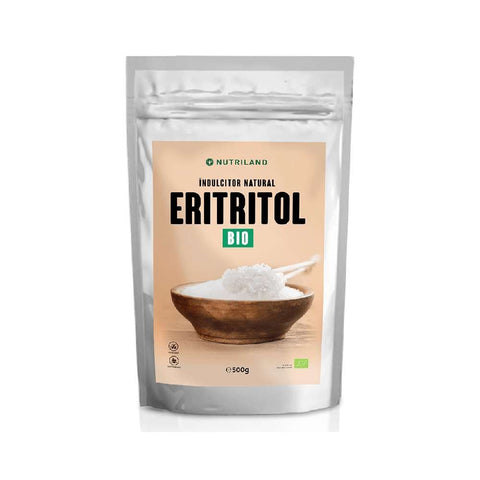
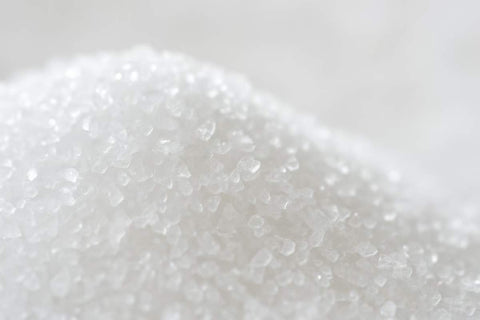

Are you having trouble giving up sugar, but want a healthy and natural alternative? Erythritol could be the ideal solution. This increasingly popular sweetener offers the desired sweet taste without negatively affecting your blood sugar or your figure. Discover in this article what erythritol is, how it is obtained, what are its benefits and contraindications, as well as ways to use it in the kitchen, to make informed and healthy choices.
Contents:
-
What is erythritol and how is it obtained?
-
Benefits of consuming erythritol
-
Contraindications and side effects of erythritol
-
Comparison between erythritol and stevia
-
Uses of erythritol in the kitchen
-
Where can you find erythritol and how to choose it?
-
Choosing Erythritol Smartly
What is erythritol and how is it obtained?
Erythritol is a type of sugar alcohol (also known as a polyol) that is naturally found in certain fruits, vegetables, and fermented foods. In the food industry, it is popular as a low-caloriesweetener and flavor enhancer . Although it has about 70% of the sweetening power of regular sugar, erythritol provides only 0.2 calories per gram. Another notable advantage is its glycemic index of zero, which means it does not affect blood sugar levels and does not contribute to tooth decay.
Erythritol is obtained through a fermentation process of glucose, which usually comes from corn or wheat, with the help of yeasts or fungi. Here are the main stages of industrial production:
1. Starch is extracted from corn or wheat.
2. Starch is hydrolyzed to obtain glucose.
3. Glucose is fermented with specific microorganisms.
4. The erythritol is filtered, purified and crystallized.
Given these characteristics, erythritol is often used as a sugar substitute in a variety of food products, including beverages, sweets, baked goods, and other foods intended for people looking to reduce their calorie or sugar intake. Now, let's explore the benefits of consuming erythritol.
Benefits of consuming erythritol
Erythritol has numerous advantages as a natural sweetener, making it a suitable option for those who want to reduce their sugar intake:
- Due to its zero calorie content and zero glycemic index, it is ideal for people with diabetes or those who want to control their weight.
- It does not affect blood sugar levels, making it a safe alternative to sugar for people with metabolic problems.
- It can help reduce sweet cravings, making it easier to maintain a balanced diet.
- Does not promote dental caries, unlike traditional sugar.
- It is suitable for vegan diets and for people with gluten or lactose intolerance.
- It does not cause increases in blood sugar or insulin levels.
- It exhibits an antioxidant effect and may help reduce inflammation in the small intestine.
- Does not promote dental caries, unlike regular sugar.
- Consuming erythritol may improve blood circulation, especially in people with type 2 diabetes.
- It is generally well tolerated by the body, without causing notable side effects, when consumed in moderation.
Another important benefit of erythritol is its stability at high temperatures, which makes it suitable for use in baked or cooked dishes. In addition, it has a pleasant taste, similar to that of sugar, without the specific, sometimes unpleasant aroma of other sweeteners.
Erythritol is often recommended by nutritionists as a healthy alternative to sugar, being especially useful for people with type 1 or 2 diabetes, for those following weight loss or calorie-restricted diets, for people with glucose intolerance, and for those prone to tooth decay. However, it is essential to be aware of the possible contraindications and side effects of consuming erythritol, which we will detail below.

Contraindications and side effects of erythritol
Although erythritol is generally well tolerated, it is important to know the possible contraindications and side effects:
Possible side effects:
-
Bloating and abdominal discomfort : These symptoms may occur especially in sensitive individuals or when the product is consumed in large quantities. Bloating is caused by the accumulation of gas in the digestive tract, which can lead to a feeling of fullness and discomfort.
-
Stomach cramps : Cramps can occur as a result of irritation of the gastric mucosa or the digestive process. They manifest as mild to moderate pain in the abdomen and may be accompanied by other digestive symptoms.
-
Diarrhea , especially in case of high consumption: Excessive consumption can accelerate intestinal transit, which leads to the rapid elimination of intestinal contents in the form of watery stools. This effect occurs more frequently in people with digestive sensitivities or intolerances to certain ingredients.
-
Headaches (less common) : Some people may experience headaches as a side effect, although this effect is less common. These can be caused by changes in metabolism or individual reactions to certain substances in the product. These side effects tend to occur only with excessive consumption of erythritol. Most people tolerate moderate amounts well.
Contraindications:
- Not recommended for children under 3 years of age.
- People with irritable bowel syndrome should consume it with caution.
- People with erythritol intolerance should avoid consumption.
It is important to remember that erythritol does not affect blood sugar levels and does not promote dental caries, being considered safe both for people with diabetes and for oral health.
Although rare, some people may develop allergic reactions to erythritol, which may manifest as hives or itchy skin. In such cases, it is recommended to discontinue consumption and consult a doctor.
Before introducing erythritol into your diet, especially if you have certain pre-existing conditions, it is advisable to talk to your doctor to ensure that it is suitable for your specific nutritional needs. To make the right choice, it is useful to compare erythritol with other natural sweeteners, such as stevia, which we will discuss below.
Comparison between erythritol and stevia
Erythritol and stevia are two popular natural sweeteners, often used as alternatives to sugar. While both offer certain health benefits, there are notable differences between them.
Origin and production :
- Erythritol is a sugar alcohol obtained by fermenting glucose, usually from corn or wheat.
- Stevia is extracted from the leaves of the Stevia rebaudiana plant through a specific processing process.
Sweetening power :
- Erythritol has approximately 70% of the sweetening power of sugar.
- Stevia is 200-300 times sweeter than sugar.
Calories and glycemic index :
- Erythritol contains 0.2 calories per gram and has a glycemic index of zero.
- Stevia contains no calories and also has a zero glycemic index.
Taste and use :
- Erythritol tastes very similar to sugar and does not leave an unpleasant residual taste.
- It is stable at high temperatures, making it suitable for use in baking recipes.
- Stevia can have a slightly bitter taste and is not as versatile in culinary preparations.
Health effects :
- Both sweeteners are considered safe and may provide health benefits.
- Erythritol may have antioxidant and anti-inflammatory effects.
- It has been suggested that stevia could help lower blood pressure and blood sugar levels.
Now, let's see how you can use erythritol in the kitchen to enjoy the sweet taste without adding extra calories.
Uses of erythritol in the kitchen
Erythritol is a versatile sweetener with a wide range of uses in the kitchen. Here are some of the most common ways to use it:
Replacing Sugar in Recipes : Due to its heat stability, erythritol can be used successfully in a variety of recipes, such as cakes and pastries, cookies and crackers, breads and other baked goods, sauces and dressings. To replace sugar, it is recommended to use 1 1/4 to 1 1/3 cups of erythritol for every cup of sugar specified in the recipe. Adjust the amount according to your taste preferences.
Sweetening beverages : Erythritol dissolves well in liquids, making it ideal for sweetening coffee and tea, lemonade and other soft drinks, smoothies and protein shakes. You can start with about 1/4 teaspoon of erythritol per cup of beverage and adjust the amount to your taste.
Preparing desserts : Due to its low calorie content, erythritol is an excellent choice for preparing ice cream and sorbets, puddings and creams, jellies and jams with reduced sugar content.
When cooking with erythritol, it's important to remember that it has about 70% the sweetening power of sugar. Adjust the amounts based on the recipe and your personal preferences to achieve the desired results.

You also shouldn't miss dietary alternatives, such as Diet Sugar andflavors and sweeteners , for your flavorful and healthy dessert recipes.
Where can you find erythritol and how to choose it?
To make sure you choose the right product, here are some tips on where to find erythritol and how to select it. Erythritol is available in a variety of locations, both in physical stores and online:
- Health food stores and organic product stores
- Dietary product sections in supermarkets
- Some pharmacies
- Online stores specializing in supplements and products for people with diabetes
- Popular e-commerce platforms
When choosing erythritol, it is important to keep the following aspects in mind:
Product purity : Look for 100% pure erythritol, with no additives or other ingredients. Check the ingredient list on the label to make sure it doesn't contain any other unwanted substances.
Presentation form : Erythritol is available in various forms, including fine powder (ideal for quick dissolution in drinks), crystals (similar to granulated sugar, suitable for cooking and baking) and tablets (convenient for precise dosing).
Certifications and quality standards : If possible, choose products that are certified organic or bio. Check that the manufacturer complies with relevant quality and food safety standards.
Value for money : Compare prices between different manufacturers and stores. However, don't always choose the cheapest option, but look for a balance between quality and price.
Regardless of where you purchase erythritol, make sure to read the label carefully and choose a quality product that meets your needs. If you have certain pre-existing conditions, it is recommended to consult a nutritionist or doctor before introducing erythritol into your diet.
Choosing Erythritol Smartly
Erythritol is a valuable alternative to sugar, offering notable health benefits, from blood sugar control to dental protection. To make the most of its advantages, it is essential to consume it in moderation and to choose quality products, adapted to your needs. Consulting a specialist can help you correctly integrate erythritol into a balanced lifestyle, enjoying the sweet taste, without compromise. This way, you will be able to enjoy your favorite dishes, taking care of your health in the long term.
In conclusion, erythritol is a natural sweetener with a very low calorie content, which does not significantly influence blood sugar levels and has a minimal impact on dental health. Studies suggest that it is safe for human consumption, but, like any other food additive, it is recommended to be consumed in moderation. Erythritol can be a useful alternative for people who want to reduce their sugar intake or manage certain metabolic conditions. How do you integrate it into your healthy and balanced diet?
References:
-
Munro, IC, Berndt, WO, Borzelleca, JF, Flamm, G., Lynch, BS, Kennepohl, E., ... & Modderman, J. (1998). Erythritol: an interpretive summary of biochemical, metabolic, toxicological and clinical data. Food and Chemical Toxicology , 36(12), 1139-1174.
-
Ishikawa, M., Miyashita, M., Kawashima, Y., Nakamura, T., & Saito, T. (1996). Effects of oral administration of erythritol on patients with diabetes. Regulatory Toxicology and Pharmacology , 24(2), S303-S308.
-
Grembecka, M. (2015). Sugar alcohols—their role in the modern world of sweeteners: a review. European Food Research and Technology , 241(1), 1-14.
-
Arrigoni, E., Brouns, F., Amadò, R. (2005). Human gut microbiota does not ferment erythritol. British Journal of Nutrition , 94(5), 643-646.
-
Noda, K., Nakayama, K., Oku, T., & Nakamura, M. (1994). Effects of erythritol on dental caries in rats. Caries Research , 28(2), 109-113.
Photo source: Shutterstock.com