
Casein is an animal protein known for its slow absorption and ability to support muscle mass. For this reason, it is often used as a supplement. However, casein can also be obtained from food.
-
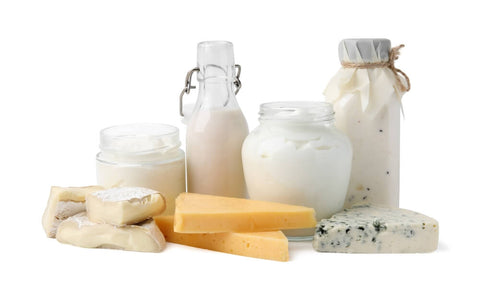
✅ The best natural sources of casein are dairy products - milk, Greek yogurt, cottage cheese and other hard cheeses contain varying amounts of casein, but can also come with fat, sodium or lactose;
-
⚠️ Casein is not suitable for everyone - in case of allergy to milk protein, severe lactose intolerance or digestive disorders, it is recommended to avoid it;
🍶 Natural sources of casein
🥛Whole cow's milk
Cow's milk is the primary source of casein and provides approximately 80% of total protein in this form. It is easy to introduce into the diet and provides, in addition to casein, an important intake of calcium, vitamin D and healthy fats.
Therefore, for those who are not lactose intolerant, milk remains one of the simplest and most effective sources.
🥣Cottage cheese
Cottage cheese is a popular choice among those following a high-protein diet. In addition to being high in casein, it is also low in fat, especially in the low-fat version.
Its slightly grainy texture makes it suitable for both cold and hot dishes, making it an ideal snack for breakfast or after an intense workout.
🧀Cheese and hard cheeses
Parmesan, cheddar, and emmentaler are some of the most concentrated sources of casein. However, it is important to keep in mind that these cheeses are also high in fat, so they should be consumed in moderation.
🥄Greek yogurt
Greek yogurt contains casein in a denser form, obtained by filtering whey. It is a creamy, filling product and can be an excellent choice for breakfast or a snack between meals.
In addition, it also contains beneficial probiotics, which support digestion, and its protein intake makes it popular among athletes.
🍫Whole milk powder
A favorite ingredient in childhood desserts, powdered milk contains even more casein than fresh milk, being much more concentrated. Although it is not a source that you should consume daily, it can be an ideal food for people looking to supplement their daily protein intake.
🧈Telemeaua
Cheesecake contains a significant amount of casein, especially if made from whole milk. Because it is high in fat, it should be consumed in moderation.
🥪Ricotta
Ricotta is often perceived as a mild cheese, but it should be noted that it has a lower casein content than other cheeses. However, it is still a useful source, especially for people who prefer milder flavors.
It is also easy to digest for those with mild digestive sensitivities.
🍕Mozzarella
Fresh mozzarella, especially whole milk, has a decent casein content, along with other dairy proteins. It's lower in fat than mature cheeses, and its springy texture makes it versatile. Plus, it's packed with calcium, which helps with protein absorption.
🍨Sour cream
Although not a concentrated source of protein, fermented sour cream also contains a small amount of casein. Often used in Romanian cuisine, it can contribute to your daily protein intake.
🍽️Casein from food vs. supplements - what to choose
💊 Casein from supplements contains less lactose
Most casein powders , especially micellar or isolate, contain extremely small amounts of lactose—under 1g/serving or none at all in some formulas. For this reason, supplements are often tolerated by people with mild lactose intolerance.
⚖️ Controlled and constant dosage
In supplements, manufacturers indicate the exact amount of protein, and pure casein provides about 26 g of protein per 30 g serving. In foods, the amount of casein varies depending on the type of product, processing or fermentation, so it is not easy to calculate exactly.
🧬Foods also contain beneficial nutrients that supplements do not have
Whole milk provides calcium, phosphorus, vitamin B12, riboflavin, essential fatty acids, and probiotics, especially in fermented varieties. These are missing from most casein powders, which focus strictly on protein.
🧂Casein in food contains fat and salt
Mature cheeses, such as Parmesan, can have 15–25 g of fat/100 g and over 600 mg of sodium. In a low-calorie diet or with cardiovascular risk, these amounts can become problematic. Casein powder, on the other hand, usually has less than 1 g of fat and salt per serving.
🚫 When is casein contraindicated?
❌ Severe lactose intolerance
Even though it doesn't contain large amounts of lactose, casein can cause unpleasant reactions in people with advanced intolerance. Bloating, cramps, or digestive discomfort are signs that the protein is not well tolerated. In such cases, plant-based or lactose-free whey proteins may be safer options.
🧪 Milk protein allergy
Casein allergy is different from lactose intolerance and involves clear immune reactions, from skin rashes to breathing difficulties. In this case, casein consumption, either from food or as a supplement, should be avoided completely. Even small amounts can trigger severe symptoms. Plant proteins become the main alternative in such situations.
🦠 In case of digestive disorders
People with irritable bowel syndrome, Crohn's disease, or colitis may be sensitive to casein, even if they don't have a classic allergy or intolerance. The protein can exacerbate inflammation or intestinal discomfort, especially if consumed in large quantities or in concentrated form.
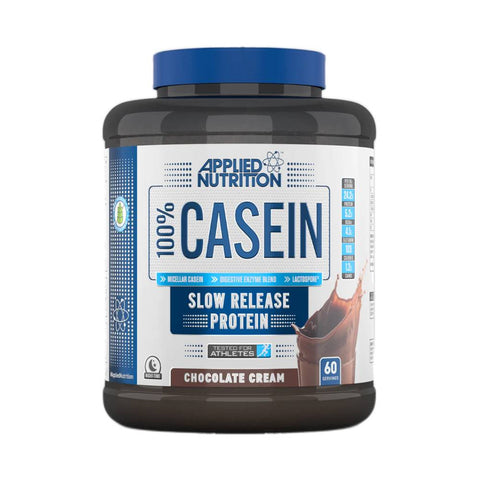
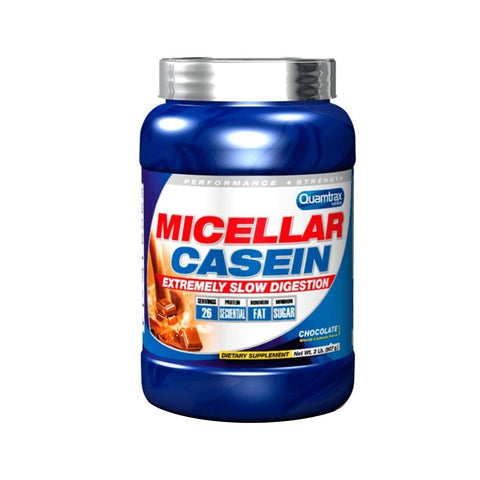
Casein is everywhere - in milk, yogurt, cheese and protein powders. However, as valuable as natural sources are, nothing compares to the effectiveness of a well-formulated casein supplement . As a result, pure, precisely dosed casein remains the ideal choice for athletes and those looking to build muscle.
Photo source: Shutterstock.com