

Most gym goers focus on their chest or biceps, but well-developed shoulders are what really make the visual impact – width, shape, balance. Plus, the ratio of a narrow waist to broad shoulders is instantly eye-catching, whether you're shirtless or shirtless.
So, let's start with the basics!
Summary:
1. The anatomy of the deltoids requires a varied approach.
The shoulders are made up of three distinct heads – anterior, lateral and posterior – and their full development requires specific exercises for each.
2. Technique and control are more important than weight.
Many people make the mistake of using too much weight or engaging other muscles during isolation exercises. For real and balanced results, it is vital to execute the movements correctly, with full amplitude and without postural compromises.
3. The deltoids do not work in isolation.
An effective shoulder workout should also include exercises for the trapezius and scapular areas. This will improve your posture, prevent injuries, and help you achieve an athletic, well-proportioned upper body.
Contents:
Deltoid anatomy and the importance of consistent shoulder training
Shoulder exercises at home without equipment
Shoulder exercises at the gym
What should a shoulder training program for beginners look like?
What exercises are recommended for recovery from shoulder pain?
Common shoulder training mistakes and solutions
Deltoid anatomy and the importance of consistent shoulder training
The shoulder muscle is called the deltoid and is anatomically structured into three distinct fascicles. Each of these is responsible for different directions of movement and requires specific stimulation for complete and balanced development.

Although recent electromyographic studies highlight the existence of 7 independent muscle fiber groups in the deltoid area, for simplicity and efficiency in training programming, we will focus on the classic division into three functional portions.
Anterior deltoid (frontal fascicle)
Located in the front of the shoulder, this bundle contributes to arm flexion – that is, pushing movements forward and overhead (such as dumbbell or barbell presses). It is frequently used, especially in chest and shoulder exercises.
Lateral deltoid (median fasciculus)
Located on the outer side of the shoulder, it is primarily responsible for abducting the arm – lifting it laterally from the torso. Optimal activation of this portion requires movements strictly along its line of contraction, without excessive involvement of the trapezius or anterior deltoid.
Posterior deltoid (posterior fascicle)
It is located behind the shoulder and is often underdeveloped, although it plays an essential role in pulling movements and stabilizing the joint. It is involved in horizontal rowing, reverse raises and other retracted movements, but requires additional emphasis to be developed proportionally.
Therefore, for an effective routine, both compound exercises (involving multiple joints - such as the military press, vertical rowing) and isolation exercises, which directly target one of the fascicles (lateral raises, reverse lunges, etc.), are recommended.
Shoulder exercises at home without equipment

Working your shoulders doesn't necessarily require fancy equipment. With well-chosen and correctly executed exercises, you can achieve noticeable results using just your body weight. The emphasis is on pushing, pulling, and scapular stabilization movements—essential for balanced deltoid development.
Pike Push-ups – the starting point
For beginners, pike push-ups are an excellent exercise. The body position, with the hips raised and the arms facing the floor, simulates a vertical push-up. The anterior deltoid and the middle part are strongly involved, and the difficulty can be adapted depending on the level:
-
Basic version : feet on the ground, torso at an acute angle;
-
Advanced version : legs raised on a bench/chair for a more pronounced angle;
-
Advanced level : handstand push-ups with wall support for maximum activation.
Activation of the posterior deltoid
The fibers behind the shoulder are often neglected. To effectively stimulate them without weights, including some pulling movements is essential:
-
Pull-ups on the fixed bar – activates both the posterior deltoid and the back muscles;
-
Inverted rows – can be performed under a stable table or low bar, using body weight.
Shoulder plank
It is an isometric exercise that targets the shoulder stabilizer muscles. Position yourself in a classic plank position, then transfer your weight to your shoulders and maintain an active contraction. It is also an effective option for activating the medial deltoid and shoulder girdle.
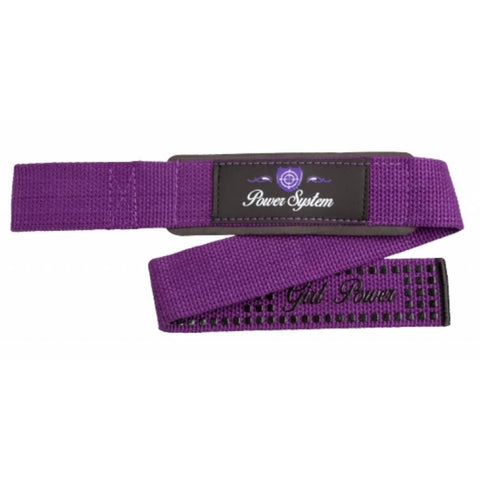
Once you have a base, you can introduce equipment and accessories such as resistance bands, adjustable dumbbells, or suspension rings to diversify the stimuli and progress in a controlled manner. Also, a good grip mat , support blocks, belts , and mobility activation bands can significantly improve the quality of your home workout.
Shoulder exercises at the gym

Access to equipment and free weights in the gym allows for a much more precise and varied approach to shoulder training. The deltoid, being made up of three fascicles – anterior, lateral and posterior – requires differentiated stimulation, and the correct selection of exercises contributes to the balanced and functional development of this muscle group.
Military press
The dumbbell military press is a fundamental exercise for building mass and strength in the anterior and lateral deltoid areas. It is performed from a standing position, with the torso upright and the dumbbell at the level of the collarbone. The movements should be controlled, with a focus on stabilizing the torso and activating the core muscles.
Push press
The push press is a dynamic variation of the classic push, using momentum generated by partial knee and hip flexion. This technique allows heavier weights to be lifted overhead more easily, providing a strong stimulus to both the deltoids and the muscle chains involved in acceleration.
Arnold Press
Inspired by Arnold Schwarzenegger's routine, this dumbbell variation starts with your elbows in front of your body. As the dumbbells are pushed up, your arms rotate outward. This engages both the anterior and lateral fibers, providing added neuromuscular control and range of motion.
Vertical rowing
The barbell or dumbbell row is effective when done correctly: the elbows rise to the sides, to shoulder level, keeping the wrists straight and the weight moderate. It is also ideal for the lateral deltoids and upper trapezius, but requires attention to form to avoid excessive strain on the shoulder joint.
Landmine press
The Landmine Press is excellent for people with limited mobility or posture issues. Being a diagonal movement, it does not force the shoulder joint into a completely vertical line of motion, thus reducing joint stress. The deltoids are effectively activated, and the involvement of the triceps is reduced compared to the classic press.
What should a shoulder training program for beginners look like?

For those just starting out in strength training, a shoulder program should be based on compound exercises that activate multiple muscle groups.
Basic training structure
Start each session with a main pressing exercise, such as the dumbbell military press or barbell, which activates the anterior deltoid and core support muscles. Continue with dumbbell lateral raises to isolate the middle deltoid and add lateral shoulder volume. Don't neglect the often under-activated posterior deltoid, which you can effectively stimulate with reverse flies or incline dumbbell rows.
Training distribution and recovery
Perform 2–3 workouts per week, with 48–72 hours between sessions to allow muscle fibers to recover. A typical beginner routine might include:
-
2–3 sets per exercise;
-
8–12 repetitions per set;
-
60–90 second breaks between sets.
The emphasis should be on correct execution and control of the movement, not on the load used. Only a precise technique effectively activates the target muscle and prevents injuries.
As you gain experience, you can gradually introduce additional isolation exercises, such as Arnold presses, front raises, or landmine presses. You can also increase the intensity by either increasing the weight or reducing the rest time.
To support the recovery process and avoid overtraining, integrate post-workout products into your routine that help restore glycogen and reduce the feeling of muscle fatigue. Adequate hydration, sleep, and a nutritious and balanced diet complete the foundation for sustained progress.
What exercises are recommended for recovery from shoulder pain?
A recovery program should focus on restoring mobility, activating stabilizing muscles, and reducing local tension – all with precise control of effort.
Starting point: mobilizing the body
In the early stages, joint-unlocking movements are recommended, which do not cause pain, but maintain circulation and prevent stiffness:
-
Slow shoulder rotations (anterior and posterior), performed in a controlled manner;
-
Arm swing – from a bent position, with the arm relaxed, allowing for light circular movements.
These exercises promote the natural lubrication of the joint capsule and reduce tension in the affected area.
Stretching and assisted mobility
As the discomfort reduces, light stretches can be introduced, which increase the elasticity of the periarticular structures:
-
Cross-body stretch – the arm is pulled gently across the chest, without force;
-
External rotations – with the elbow bent at 90°, using a stick or towel for guidance;
-
Wall slides - the arm slowly slides down the wall, in the scapular plane, to progressively resume the overhead lift.
Such movements should be performed slowly, with frequent pauses and a focus on constant breathing.
Activation of stabilizing muscles
After restoring basic mobility, exercises with low-resistance elastic bands can be introduced, targeting the rotator cuff muscles and scapular stabilizers:
-
External rotations with the band , elbow close to the torso;
-
Scapular retraction – pulling the shoulder blades towards the spine;
-
Modified "face pulls" , with light resistance and limited amplitude.
All movements must be performed without pain, with maximum control and increased attention to posture and segment alignment.
Moreover, the progression should be gradual, without forcing or sudden movements. Any form of pronounced discomfort should be interpreted as a stop signal. It is recommended to consult a specialist doctor or physiotherapist, who can establish a correct diagnosis and an individualized recovery plan.
What are the benefits of shoulder-trapezius exercises?
Integrating shoulder and trapezius exercises is a strategic approach from both a functional and aesthetic perspective. These two muscle groups work synergistically in most complex upper body movements, and their harmonious development supports posture, mobility, and scapular stability.
Synergy between deltoids and trapezius
The deltoids are actively involved in pushing and lifting movements, while the trapezius – divided into upper, middle and lower portions – acts as a stabilizer and strengthener of the scapulohumeral girdle:
-
The upper trapezius assists the anterior and lateral deltoids in overhead pressing movements (military press, push press)
-
The middle and lower trapezius contribute to the retraction and depression of the shoulder blades, essential in isolation exercises such as lateral raises or reverse raises.
More precisely, this muscular cooperation ensures correct alignment of the shoulder joint and reduces the risk of injury, especially in high-volume or high-intensity training.
Aesthetic and postural benefits
Combining trapezius and shoulder training brings visible benefits, including aesthetic benefits:
-
accentuates the "V" shape of the torso;
-
optically enlarges the upper part of the body;
-
improves the transition between the neck and shoulders, giving a compact and athletic image.
In addition, a well-developed trapezius supports correct posture and counteracts the negative effects of a sedentary lifestyle, such as cervical pain or tension in the neck and shoulder area.
Thus, include in your weekly routine:
-
Deltoid exercises : military press, lateral raises, Arnold press, bent-over raises;
-
Trapezius exercises : dumbbell or barbell shrugs, controlled vertical rowing, cable rowing for the middle trapezius, "Y-raise" for the lower part.
Common shoulder training mistakes and solutions

Even the most popular exercises can become ineffective or risky when performed incorrectly. Below, we have prepared some of the most common errors and practical solutions for correcting them.
1. Lumbar hyperextension in overhead press
One of the most common mistakes is over-arching the back during vertical press movements (e.g. military press). This often occurs due to limited mobility in the thoracic area and poor activation of the postural muscles. Many practitioners fail to raise their arms completely overhead without compensating for lumbar extension, which increases the risk of overexertion of the spine.
Solution:
-
Works on improving thoracic mobility and trunk strength;
-
It includes exercises like the Landmine Press, which respects the natural line of movement and challenges the shoulders without compromising posture.
2. Uncontrolled activation of other muscle groups during isolation
The goal of isolation exercises is to precisely activate a single muscle or target muscle group. In the case of lateral flips, many athletes use too much weight or explosive movements, which involves the upper trapezius, the core, or even the momentum from the legs, turning the exercise into a compound movement.
Recommendation:
-
Choose a moderate load;
-
Execute slowly and in control;
-
Focus the contraction in the middle deltoid area, without balance.
3. Wrong arm rotation in side swings
To effectively activate the middle deltoid, the line of movement must remain lateral , with the arm in the frontal-scapular plane. Many make the mistake of externally rotating the arm (with the thumb up), which transfers tension to the anterior deltoid, reducing the effectiveness of the exercise.
Correction:
-
Maintain a neutral or slight internal rotation of the arm;
-
Raise your arm to shoulder level, without going over;
-
Do not force the amplitude and avoid involving other muscle groups.
Additional tips:
An effective shoulder workout starts with proper activation, continues with controlled movement, and is based on an adapted selection of exercises. If you want to sustain performance and have more energy during training, you can integrate a pre-workout without aggressive stimulants into your diet, which helps with concentration and efficient muscle contraction.
In conclusion, a well-planned shoulder training program that integrates compound movements, isolation exercises, and proper technique is the foundation for developing proportional muscles and maintaining joint health.
Start putting these recommendations into practice today and make shoulder training an essential pillar of your fitness routine. Results come when you train smart!
Photo source: Pexels.com.