
Are you tired of ineffective workouts and want to tone your glutes? A well-built butt not only looks good, but also contributes to correct posture and reduces the risk of injury. This complete guide gives you all the information you need, from the anatomy of the glutes to training programs adapted to your level, so that you achieve visible and lasting results.
Contents:
-
The importance of the gluteal muscles in fitness and health
-
Anatomy of the gluteal muscles and their role in movement
-
The most effective glutes exercises at the gym
-
Recommendations for exercises for buttocks at home
-
The best exercises for buttocks and legs
-
Techniques for growing your buttocks and getting a bulging butt
-
Glute training program - from beginners to advanced
The importance of the gluteal muscles in fitness and health
The glutes are essential for overall fitness and health, being among the largest and strongest muscle groups. Strong glutes contribute to stability and balance, ensuring correct posture and reducing the risk of back, knee and hip pain. They generate the force needed for activities such as climbing stairs, lifting objects or running, improving physical performance.

As a large muscle group, the glutes help burn calories and speed up metabolism, supporting the maintenance of a healthy weight. In addition, toned glutes are considered attractive, contributing to a harmonious silhouette.
Regular gluteal training is important for improving strength, stability, and overall body shape. A balanced fitness program should include a variety of gluteal exercises, whether your goal is athletic performance, health, or aesthetics. Now, let's take a look at how these muscles are built and how they work.
Anatomy of the gluteal muscles and their role in movement
The glutes are made up of three main muscles: the gluteus maximus, gluteus medius, and gluteus minimus. Each has a specific role in movement and stability.
The gluteus maximus is the largest and most superficial muscle of the gluteal region, easily visible on the surface of the buttocks. It plays a crucial role in movements that involve hip extension, such as rising from a seated position, climbing stairs, jumping, and running. In addition to extension, the gluteus maximus contributes to external rotation of the hip, which allows the foot to point outward. This muscle is also involved in maintaining upright posture and stabilizing the pelvis during walking and other dynamic activities.
The gluteus medius is located lateral to the gluteus maximus, being partially covered by it. Its main role is to perform hip abduction, that is, the movement of the thigh away from the midline of the body. This muscle is essential for stabilizing the pelvis, especially during walking, when the body's weight is transferred from one leg to the other. A weak gluteus medius can lead to pelvic instability, which can cause walking problems or low back pain.
The gluteus minimus is the smallest and deepest of the gluteal muscles, located beneath the gluteus medius. Although less visible, the gluteus minimus has similar functions to the gluteus medius, participating in hip abduction and pelvic stabilization. In addition, the gluteus minimus contributes to internal rotation of the thigh. This muscle plays an important role in maintaining balance and preventing falls, especially in the elderly.
Together, the three gluteal muscles – gluteus maximus, gluteus medius and gluteus minimus – provide mobility and stability to the hip, being involved in numerous daily and sporting activities. Training these muscles is important not only for physical performance, but also for preventing injuries and maintaining correct posture.
These muscles allow hip extension, which is necessary for walking, running, and climbing stairs. They also provide stability to the pelvis and trunk, helping to maintain proper posture. The glutes generate the force needed for jumping and sprinting and participate in external rotation and abduction of the hip.
Because of their role, the glutes need to be trained regularly. This will improve the strength, stability, and appearance of the gluteal area, with benefits for health and physical performance. Now that you know which muscles to work, let's see what gluteal exercises you can do at the gym.
The most effective glutes exercises at the gym
At the gym, you have many options to effectively train your glutes. Here are some of the best glutes exercises you can do at the gym:
- Dumbbell Squats : Squats are a complex exercise that targets your glutes. Use a dumbbell to increase the difficulty. Place the dumbbell on your shoulders, lower into a squat, and stand up, contracting your glutes.

2. Bench hip thrust : Support your back on a bench, place a barbell or discs on your hips and lift your pelvis, strongly contracting your glutes at the maximum point.
3. Dumbbell Lunges : Lunges work both your glutes and quads. Hold a dumbbell in each hand and perform alternating lunges, lowering your back knee close to the ground.
4. Romanian Deadlift : This exercise targets the back of your legs. Hold a dumbbell in front of your thighs, bend over while keeping your back straight, and lift yourself up by contracting your glutes.
5. Cable Abductions : Attach a strap to your ankle and perform lateral abductions of your leg, working your glutes medius and minimus. Keep your core still and focus on contracting your glutes.
For best results, combine 3-4 of these glute exercises at the gym into a dedicated workout, performing 3-4 sets of 8-12 reps for each. Gradually increase the weight as you progress and make sure you're performing each move correctly. But what if you don't have access to a gym? No problem, there are plenty of exercises you can do at home.
Recommendations for exercises for the buttocks at home
Training your glutes at home is a great way to tone your butt. Here are some glutes exercises you can do at home:
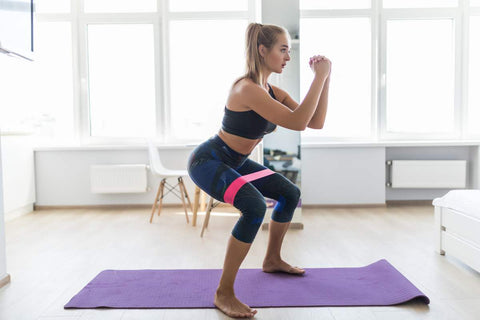
- Squats : Stand with your feet shoulder-width apart and lower your pelvis as if you were going to sit in a chair. Keep your back straight and return to the starting position. Perform 3 sets of 15-20 repetitions.

2. Lunges : Take a big step forward with one leg and lower yourself until both knees are bent at 90 degrees. Return to the starting position and repeat with the other leg. Perform 12-15 reps on each side.
3. Glute Bridge : Lie on your back with your knees bent and your feet flat on the floor. Lift your hips as high as you can, squeeze your glutes as hard as you can, and hold for 2-3 seconds. Lower yourself in a controlled manner and repeat 15-20 times.
4. Leg raises on all fours : Get on all fours and lift one leg back, keeping your knee bent at 90 degrees. Lower and repeat 15 times, then switch legs.
5. Side Lunges : From a standing position, take a large step to the side and lower your pelvis, bending the knee of your supporting leg. Return to the starting position and repeat on the other side. Perform 10-12 repetitions on each side.
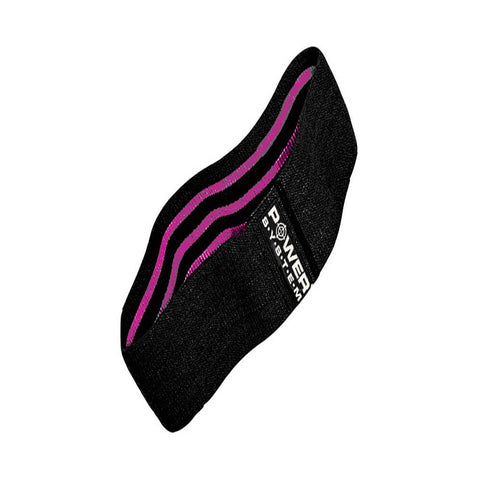
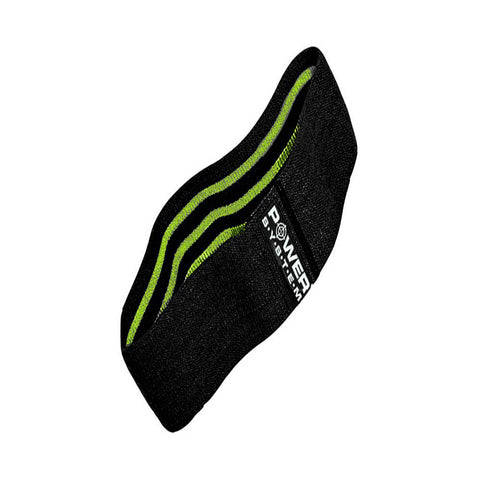
Whether you choose to do glute exercises at home or at the gym, your performance can be improved with the help of specially designed training belts and mats . To prepare your body before an intense session, you can use caffeine-free pre-workout supplements , which help you have maximum energy and concentration. After training, post-workout supplements support rapid recovery and contribute to the development of muscle mass. Thus, you will have more vitality and strength before and after each workout!
For best results, perform this glutes workout 3-4 times a week. Gradually increase the number of reps and sets as you get stronger. Combine glutes exercises with a balanced diet. But if you want to work your legs at the same time, what exercises should you choose?
The best exercises for buttocks and legs
To get toned buttocks and strong legs, here are some of the most effective exercises for legs and buttocks:
1. Squats : Squats are a great exercise for your buttocks and legs. They work your glutes, quadriceps, and hamstrings. Do 3-4 sets of 10-15 reps.
2. Lunges : Lunges are great for toning your buttocks and legs. They target your glutes, quadriceps, and hamstrings. Do 3 sets of 12-15 reps on each leg.

3. Hip Thrusts : This exercise is effective for isolating and developing the glutes. Perform 3-4 sets of 10-12 repetitions.
4. Bench Presses : Bench presses are an effective exercise for your butt and legs. They target your glutes, quadriceps, and calf muscles. Perform 3 sets of 10-15 reps on each leg.
5. Glute Bridge : This exercise helps activate and strengthen your glutes. Lie on your back with your knees bent and lift your hips up, squeezing your glutes at the top. Perform 3 sets of 15-20 repetitions.
6. Machine or Band Hip Abductions : Abductions isolate the lateral glutes, helping to round out the bottom. Perform 3 sets of 15-20 reps on each leg.
7. Romanian Deadlift : This exercise works both the glutes and hamstrings. Perform 3 sets of 10-12 reps.
For best results, combine these glute exercises into a complete workout and perform it 2-3 times a week. Gradually increase the weights and number of repetitions as you get stronger. Focus on correct technique and give your muscles enough time to recover. But if you want to get a bulging butt, what techniques should you apply?
Techniques for growing your buttocks and getting a bulging butt
To get bigger buttocks, you can apply several techniques in your workouts:
1. Weight training : Weight training is important. Focus on compound movements like squats, deadlifts, and hip thrusts with progressively heavier weights.
2. Increased volume and frequency : Train this area 2-3 times a week, with 3-4 exercises per session and 3-4 sets for each exercise.
3. Exercise Variation : Include a variety of exercises like lunges, Bulgarian squats, single-leg hip thrusts, etc. This will stimulate the muscles from different angles.
4. Correct technique : Focus on performing the exercises correctly, consciously activating your gluteal muscles.
5. Proper Nutrition : Consume enough protein and calories to support muscle growth. Without a moderate caloric surplus, it will be difficult to increase gluteal muscle mass.
6. Optimal Recovery : Pay attention to recovery through adequate sleep, stretching, and massage. Muscles grow during the recovery period, not during training.
7. Isolation exercises : In addition to compound movements, include exercises that isolate the glutes such as hip extensions, abductions, or kickbacks.

By applying these techniques and being patient, you will notice an increase in the volume and tone of your buttocks. The results require time and effort, but are achievable for anyone who is dedicated. Now, let's see how you can create a training program adapted to your level.
Glute training program - from beginners to advanced
A training program should be tailored to your fitness level. Here are some recommendations for beginners, intermediates, and advanced:
Beginner level
Frequency: 2-3 times a week
Objective: Activate the glutes, learn correct technique and increase endurance
Recommended exercises:
-
Glute Bridge: 3x15 reps
-
Bodyweight Squats: 3x12-15 reps
-
Donkey Kicks: 2x15/side
-
Lunges in place: 2x10/side
-
Abductions with elastic band: 3x20 repetitions
Tip: Focus on controlling your movements and voluntarily contracting your glutes. Don't rush.
Intermediate level
According to those who have been training consistently for at least a few months.
Frequency: 2-3 times a week
Objective: Hypertrophy (increase in muscle mass), strength and tone
Recommended exercises (with weights or band):
-
Hip Thrust with weight (dumbbell, disc or bar): 4x10-12 reps
-
Goblet or barbell squats: 3x10 reps
-
Bulgarian lunges: 3x10/side
-
Romanian deadlift with dumbbells: 3x10-12 reps
-
Abductions on the machine or with a band in the lateral plane: 3x15-20 repetitions
Tip: Use weight progression and vary the angles to stimulate all the fibers of the gluteal muscles.
Advanced level
Recommended for those with at least a few years of consistent training experience.
Frequency: 2-3 times a week
Objective: Definition, symmetry, complete development of the glutes
Advanced exercises:
-
Hip Thrust with heavy bar (with pause at the top): 5x8 reps
-
Front squats or Zercher: 4x6-8 reps
-
Dumbbell lateral lunges: 3x12/side
-
Single-leg deadlifts (RDL): 3x10/side
-
Cable kickback: 3x15 reps
Tip: At this level, movement quality and the mind-muscle connection become essential. Add periods of "deload" and active stretching to prevent overuse.
Additional suggestions
-
Warm-up: Don't skip gluteal activation with bands, squats with pause, or pelvic lifts at the beginning.
-
Recovery: You need at least 48 hours between intense workouts for the same muscle group.
-
Progression: Gradually add weight, sets, or intensity through techniques such as slow tempo, pause in contraction, or descending sets.
-
Nutrition: Without adequate protein and calorie intake, progress will be limited.

Regardless of your level, gradually progress in weight and difficulty. Make sure you perform each exercise correctly and give yourself enough recovery time. Adapt the program based on your body's response and personal goals. With dedication, you will notice improvements in the strength and appearance of your glutes.
So now you have all the tools you need to transform your glutes. Remember, consistency and proper technique are the keys to success. Choose the glutes exercises that suit you, adapt the program to your level, and don't give up. You will see results if you dedicate yourself and listen to your body's signals. Make glutes training an integral part of your lifestyle and enjoy the benefits of a strong and toned body.
Transforming your buttocks is not just a matter of aesthetics, but also of health. Strong gluteal muscles contribute to correct posture, reduce the risk of injuries and improve performance in daily activities or sports. In addition, a balanced program of gluteal exercises stimulates metabolism and helps burn fat, which leads to a harmonious silhouette.
It's important to set realistic goals and track your progress. You can keep a training journal, take before and after photos, or write down the weights you use. These little details will motivate you to keep going and push yourself beyond your limits.
Don't forget to pay attention to recovery: rest, stretching, protein intake, and a balanced diet are essential for healthy muscle development. If you feel unusual pain or discomfort, adjust the intensity or technique of your exercises. Your body knows best what it needs. Don't forget about accessories that can help you - from belts and mats , to caffeine-free pre-workouts and post-workout supplements for faster recovery.
Also, dedicate time and energy to gluteal training, do it with pleasure and patience, and the results will not be long in coming. Your confidence will grow with each progress, and your lifestyle will be more active and healthier.
References:
-
Selkowitz, DM, Beneck, GJ, & Powers, CM (2016). Gluteal muscle activation during common therapeutic exercises . National Institutes of Health (NIH).
-
Neto, WK, Soares, EG, Vieira, TL, Aguiar, R., Chola, TA, Sampaio, VL, & Gama, EF (2020). Gluteus Maximus Activation during Common Strength and Hypertrophy Exercises: A Systematic Review. Journal of sports science & medicine , 19 (1), 195–203.
-
Moore, D., Semciw, AI, & Pizzari, T. (2020). A SYSTEMATIC REVIEW AND META-ANALYSIS OF COMMON THERAPEUTIC EXERCISES THAT GENERATE HIGHEST MUSCLE ACTIVITY IN THE GLUTEUS MEDIUS AND GLUTEUS MINIMUS SEGMENTS. International journal of sports physical therapy, 15(6), 856–881. https://doi.org/10.26603/ijspt20200856
Photo source: Shutterstock.com